
African Forest at Bristol Zoo Project
Their world on your doorstep.
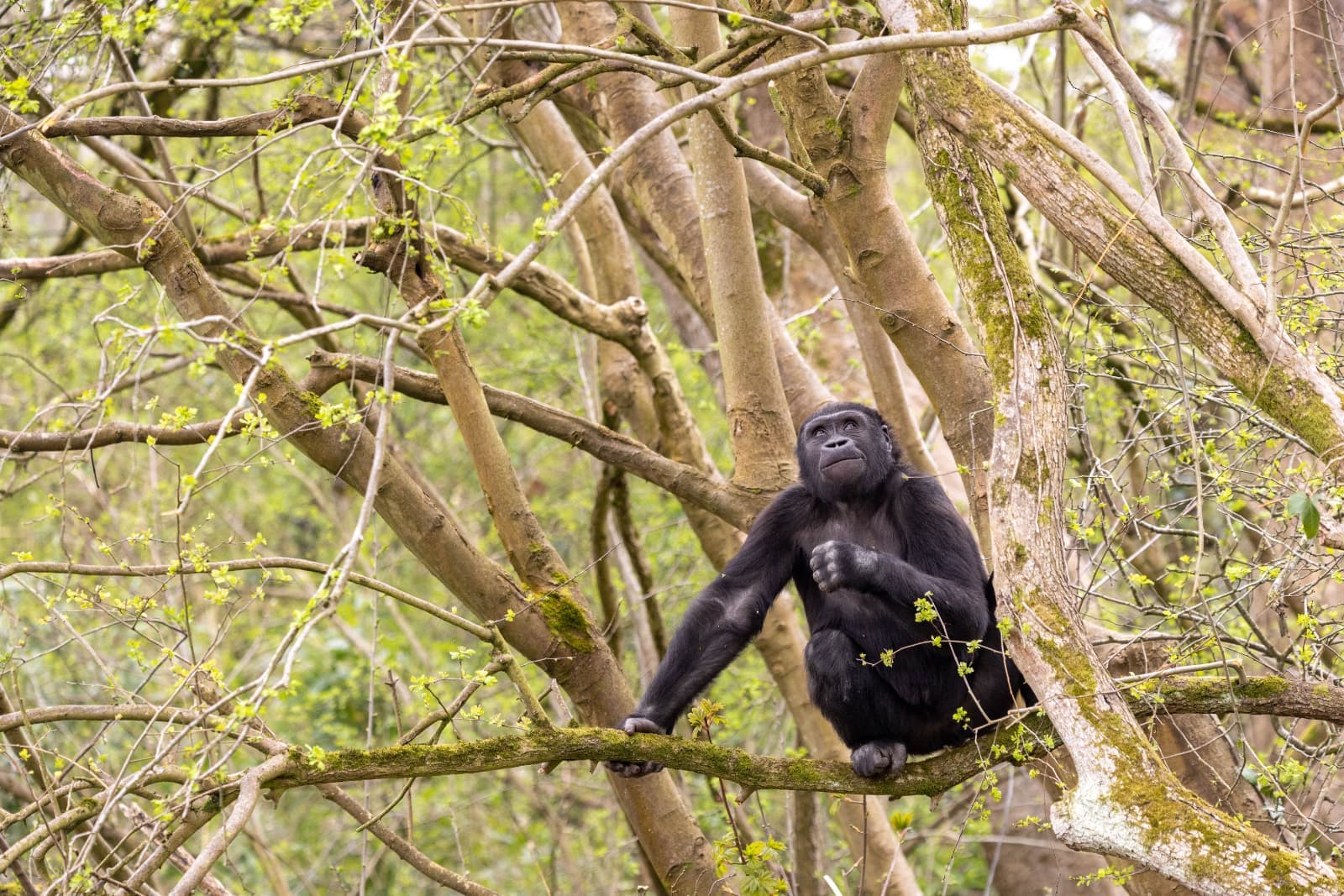
Step beneath the tree canopy and be transported to the forests of Equatorial Guinea. Discover a place where gorillas and mangabeys live alongside each other, crocodiles watch from below the water and the sound of tropical parrots fills the air.
This immersive space will bring you closer to the wild, where you can make memories and learn about endangered animals through large, natural and conservation-focused habitats.
Who lives here?
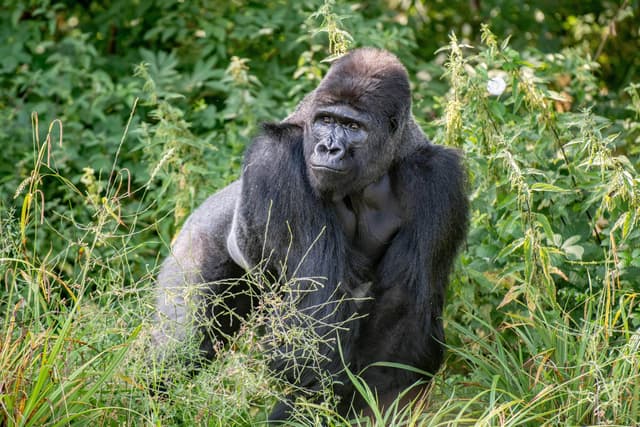
Western lowland gorillas
Our troop of gorillas are Bristol's most iconic animals! They live alongside cherry-crowned mangabeys in a UK first.
These Critically Endangered primates live in the dense vegetation of Equatorial Guinea, where our conservation team works to preserve their habitat.
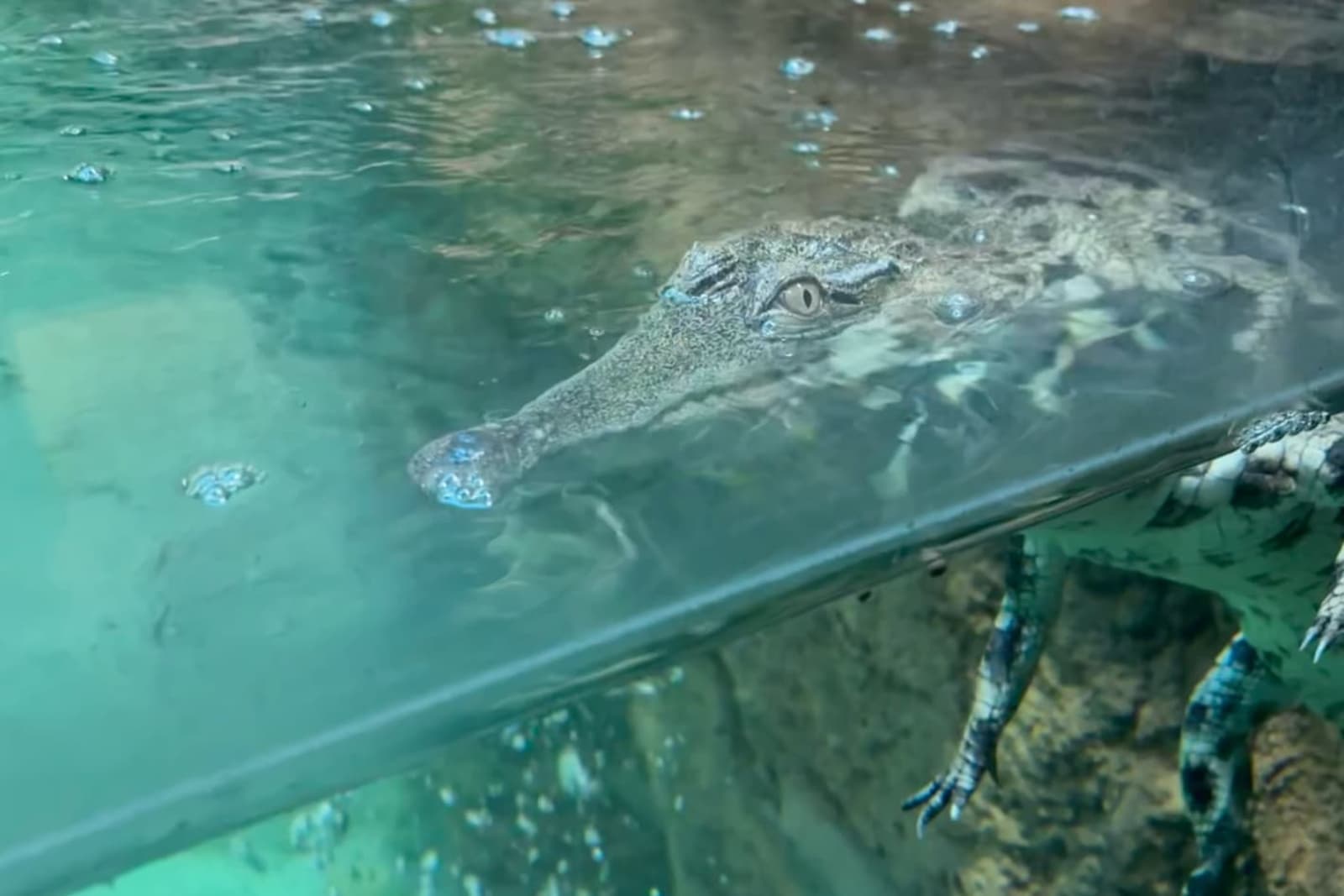
Slender-snouted crocodiles
Spot the croc moving through the water or basking under the heat lamps of their split-level viewing tank, which they share with several species of African freshwater fish.
This Critically Endangered species can grow up to 4 metres long!
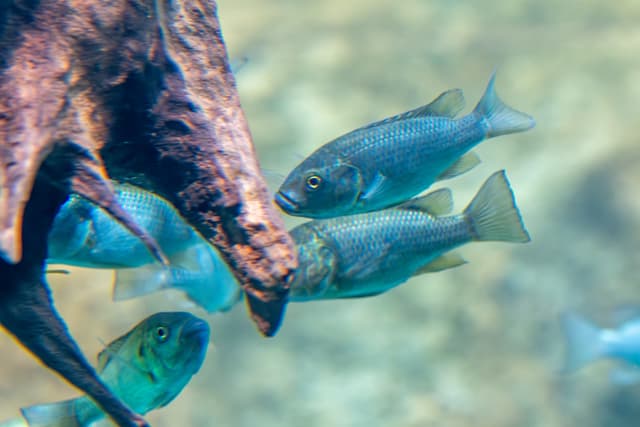
Lake Barombi-Mbo cichlids
All nine species of cichlid in African Forest have evolved from a species that colonised Lake Barombi-Mbo in Cameroon one million years ago. Pollution, deforestation and sedimentation threaten these fish in the wild.
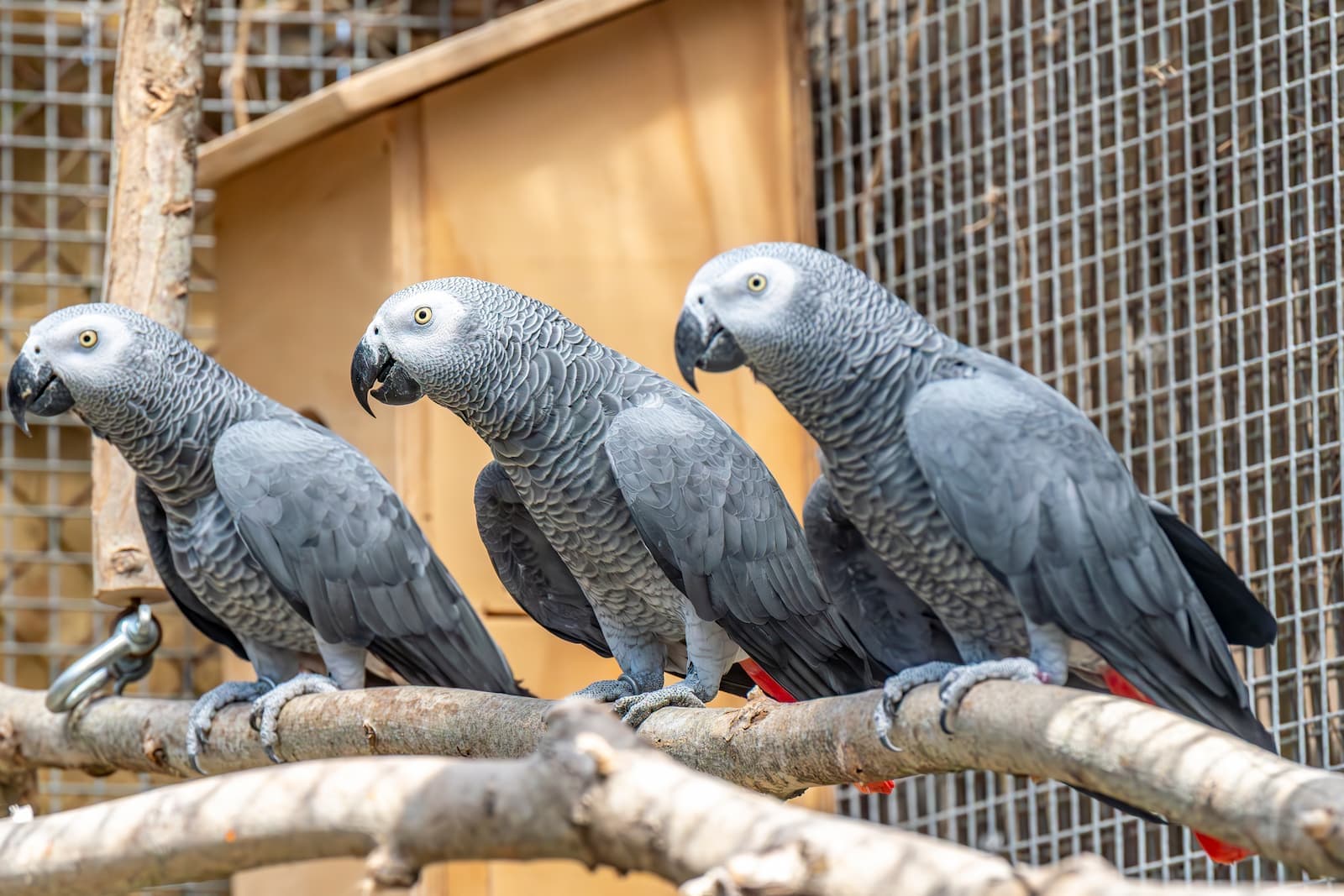
African grey parrots
Our flock of parrots was rescued from the illegal pet trade, and is now part of an international breeding programme at the zoo to strengthen their numbers.
Each year, 20% of the population is removed from the wild.
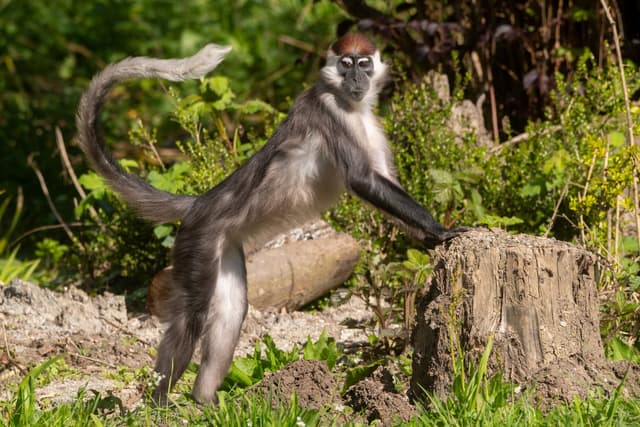
Cherry-crowned mangabeys
These mischievous primates share their habitat with our gorilla troop. In the wild, we work to protect Sanje mangabeys from habitat destruction and hunting.
Explore the interactive African Forest map!
Click on the boxes to learn more about the species, habitat features and visitor points of African Forest.
Support threatened species
All of the animals living in African Forest are threatened in the wild.
As a conservation charity, we work across four continents to preserve habitats and save wildlife. By visiting African Forest, you are supporting species in the wild and in our zoo.
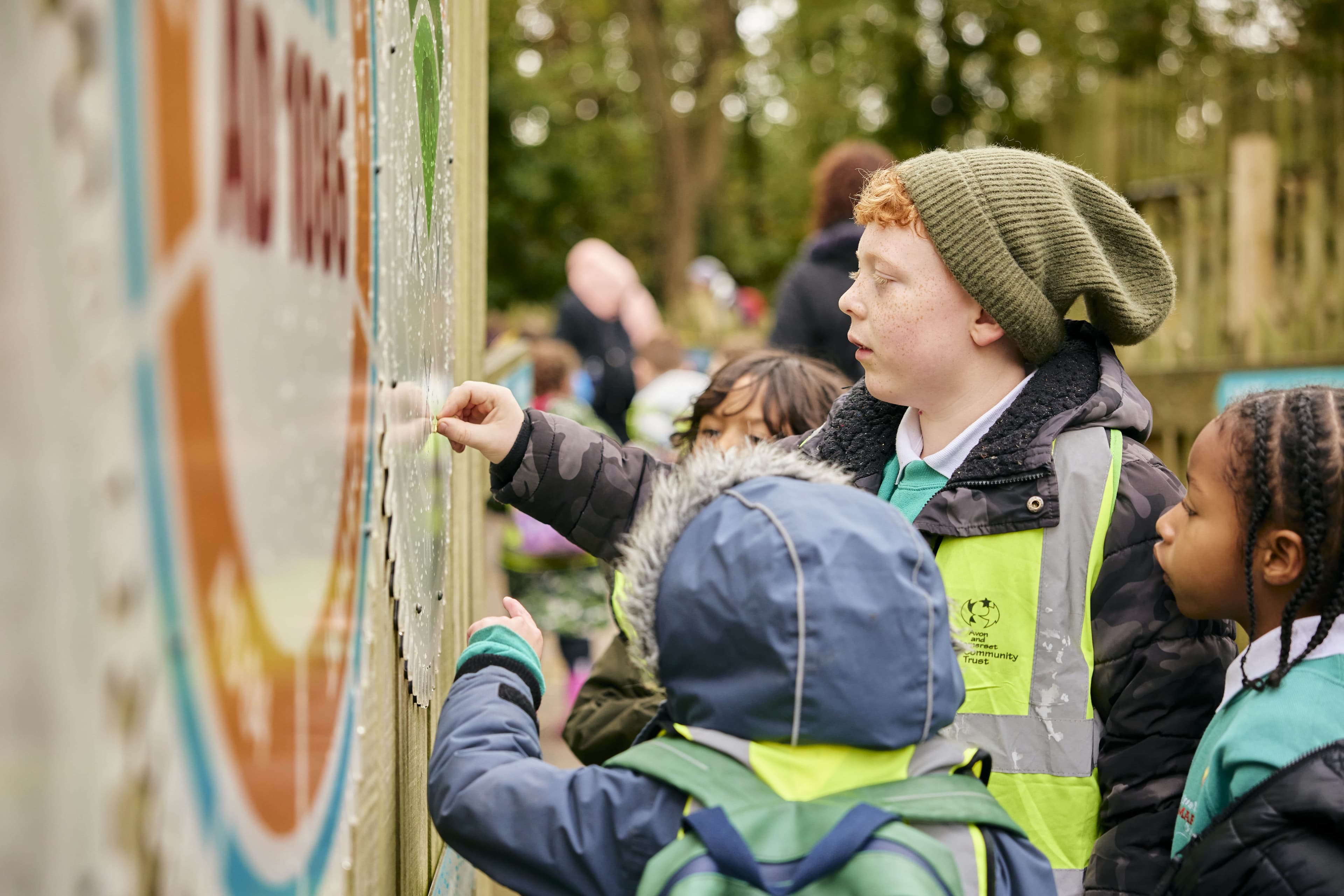
School visits
African Forest offers a unique opportunity to learn about forests, the diversity of life and primate evolution.
Discover new rainforests learning sessions for school groups, from Early Years to Key Stage 3. Taught in a brand-new learning space, classes will discover the sounds and smells of rainforests, their importance for animals and humans, and how to conserve this vital habitat.
African Forest FAQs
Where can I buy tickets?
Tickets to visit African Forest are now on sale here. Please make sure to pre-book online to guarantee your entry!
Does it cost extra to visit African Forest?
African Forest entry is included within your zoo ticket!
What animals live in African Forest?
African Forest is home to threatened species including Critically Endangered western lowland gorillas, Endangered cherry-crowned mangabeys, Endangered African grey parrots, Critically Endangered slender-snouted crocodiles and several species of African freshwater fish.
What new play areas does African Forest have?
African Forest has several new play areas, including gorilla and parrot nests, a giant crocodile mouth, a fallen forest and mangabey balance beams.
There'll also be a space for forest bathing, where we encourage visitors to lie down and look up at the tree canopy.
African Forest updates
7 fascinating facts about silverback gorillas
The arrival of our new silverback, Nkoumou, at Bristol Zoo Project marks an exciting new chapter for our western lowland gorilla troop.
Welcoming new silverback Nkoumou
Nkoumou, a 17-year-old silverback, has arrived at Bristol Zoo Project to lead our troop of six western lowland gorillas.
Want to help us save wildlife?
Become a member today for a year of wild adventure, and help protect the animals and habitats you love by supporting our conservation charity.