
MSc Applied Wildlife Conservation
The MSc Applied Wildlife Conservation degree is designed to give you practical experience and knowledge of how to protect species, habitats, and ecosystems.
It will educate you in advanced techniques in modern conservation, focusing on enhancing your skills in innovation and entrepreneurship while remaining adaptable in an ever-changing world. You will develop your abilities in ecosystem and species conservation, communication, and influencing behaviour change; all these attributes will increase your employability in biodiversity conservation.
This course isn’t just theoretical. As it is delivered by Bristol Zoological Society, you will be taught by active, experienced conservationists working on ongoing wildlife projects all around the world, from the Avon Gorge to Madagascar, Equatorial Guinea, and the Philippines.
Work in conservation is becoming increasingly cooperative with new technologies, which is why this course will also focus on ensuring you graduate with the skills required to meet the needs of a career in wildlife conservation.
Programme structure
The modules of this course will improve your skills in species identification, habitat surveying, GIS, and stakeholder engagement, as well as helping you gain experience in emerging sectors – all of which are vital in modern conservation practices. During the course, you will study the following modules as well as carry out an individual research project:
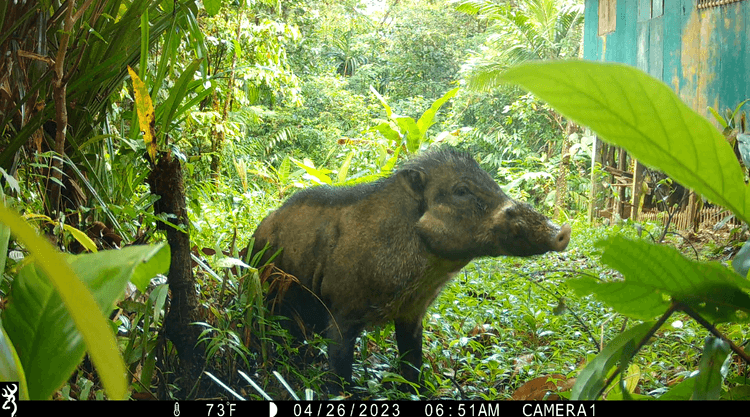
Advanced Ecosystem Conservation in Practice
In this module, you will learn about the methods and practices used to protect various habitats and ecosystems around the world.
Advanced Species Conservation in Practice
This module builds on the previous one, focusing on practical conservation at a species level.
Communication for Conservation
Understand the importance of communication in conservation, develop your skills in a range of communication methods with different audiences, and learn how to promote pro-conservation behaviours.
Innovation and Enterprise in Conservation
Learn how to identify innovative opportunities for advancement in biodiversity conservation.
Conservation Science Project
Design and execute your own individual conservation research project of your choice.
Conservation Research Methods
This module aims to increase your confidence and overall employability in conservation science. Take part in multiple mini-courses online and improve your critical skills to enhance your prospects after graduating.
Fieldwork
Within the Species Conservation, Ecosystem Conservation, and Enterprise and Innovation modules, you will have many opportunities to be in the field by visiting local sites such as the Avon Gorge and Somerset Levels. These trips will enhance your learning and develop your practical skills through experience over the duration of this course.
A four-day residential trip is also part of the course, as part of the Ecosystem Conservation module.
You will be supported in finding an external partner organisation for your dissertation project and will gain access to organisations in the southwest of England, such as Natural England and the Wildlife Trusts, due to the course’s industry links.
Learning and teaching
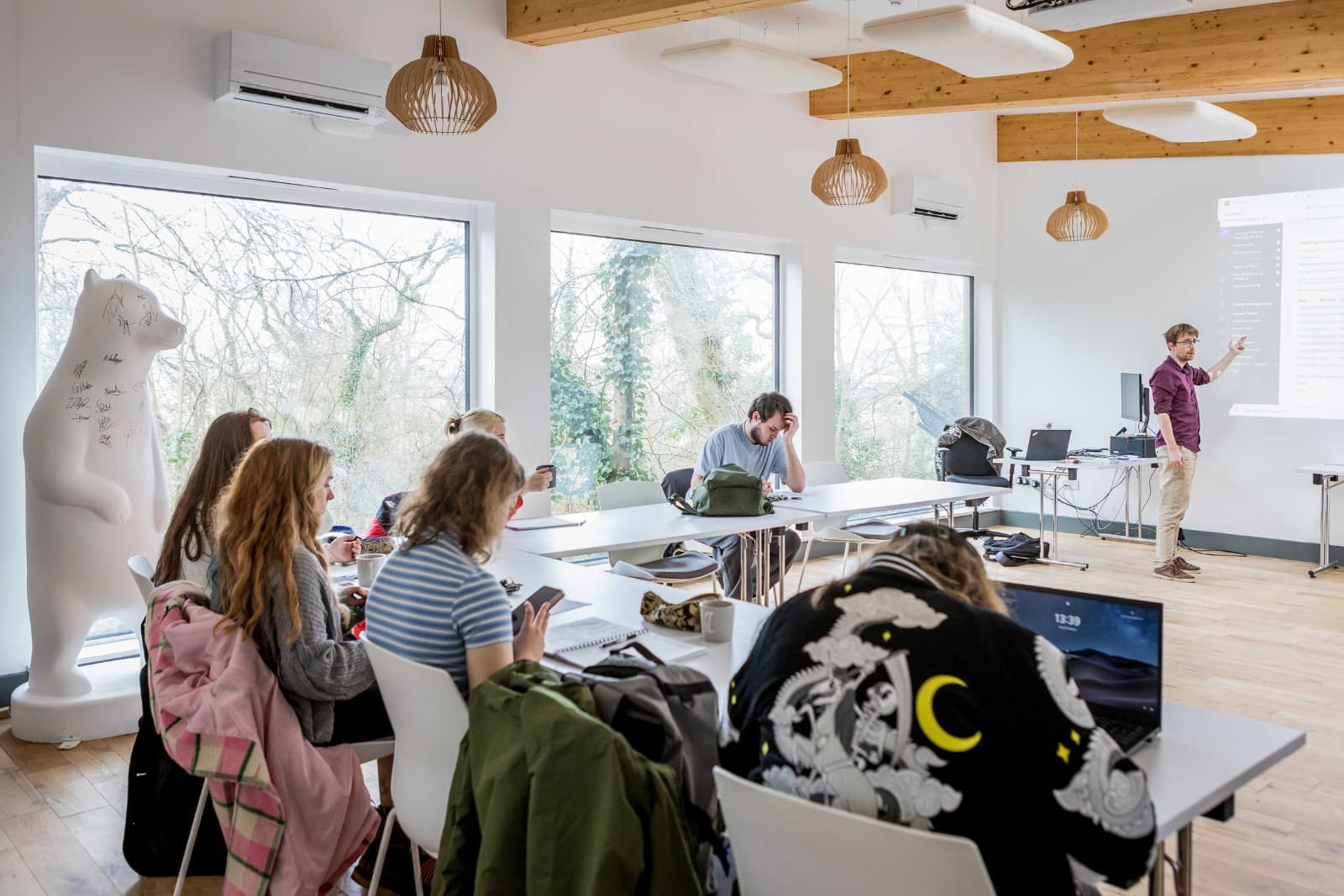
Teaching on this course is delivered by staff from both Bristol Zoological Society and UWE, mainly in person but also combined with online learning. Occasional content will be taught by other partner organisations – for example, Natural England and the Wildlife Trusts – giving you an insight into the work of people in the conservation industry. You’ll be able to interact with conservation experts throughout the course, giving you the opportunity to learn first-hand about ongoing conservation projects across the globe while expanding your professional network.
Graduate outcomes and careers
This course was specially curated with the input of stakeholders in both the ecological consultancy and charity sectors, ensuring that what you are taught aligns with what employers are looking for in today’s job market.
After graduating from this course, you will be equipped with the skills and attributes needed to begin a career in national and international conservation, potentially at ecological consultancies, government agencies, conservation organisations, or even by starting your own non-governmental organisation. This degree also gives you the opportunity to continue your academic career through doctoral studies and provides you with the potential to become a chartered member of the Institute of Environmental Management.

Study facilities
The course is conducted at both the UWE Frenchay campus and Bristol Zoo Project, with some online learning. Facilities at BZP include classrooms, a laboratory, IT facilities, a library containing extensive natural history literature, and a common room, as well as facilities that accommodate disabled users.
Students also benefit from full access to the zoo, whose animal collection will comprise over 90% of species in need of targeted conservation actions by 2035, as well as the beautiful surroundings of the meadows and the ancient woodland, allowing you to practise field conservation around your study space. The site provides hands-on opportunities to explore conservation strategies in both in situ and ex situ contexts.
Get to know the UWE campus and take a virtual tour of the Environmental Science facilities here.
 Course contact and programme lead
If you have any questions, please email mark.ashby@uwe.ac.uk – Dr Mark Ashby, Programme Lead, or the BZS Higher Education department at research@bzsociety.org.uk.
Studying with Bristol Zoological Society
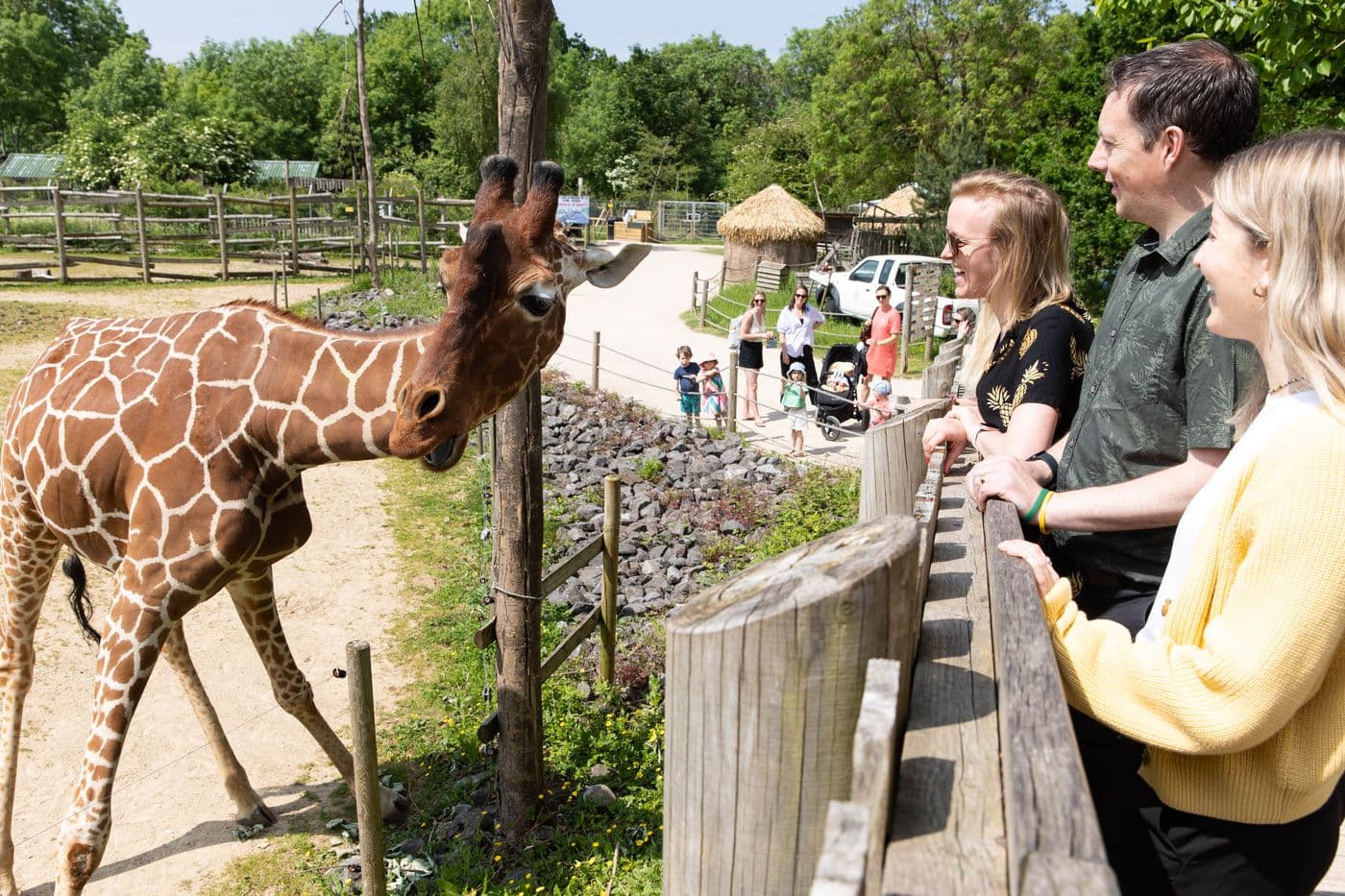
We offer undergraduate and postgraduate degree programmes in partnership with various universities and colleges. Take a look at how we can help you create a career in conservation.