
BSc Wildlife Ecology and Conservation Science
Conservation of the earth's biological diversity has never been so important. With habitat loss, climate change, and species extinction all progressing at unprecedented rates, we need ecologists and conservationists now more than ever. As a student on this course, you will be equipped with the skills and scientific knowledge to help tackle these global challenges.
You'll learn through a mix of theory and practice, delving into the complex relationship between wildlife and society, and exploring new and novel approaches to mitigating and reversing the negative impacts of human activity.
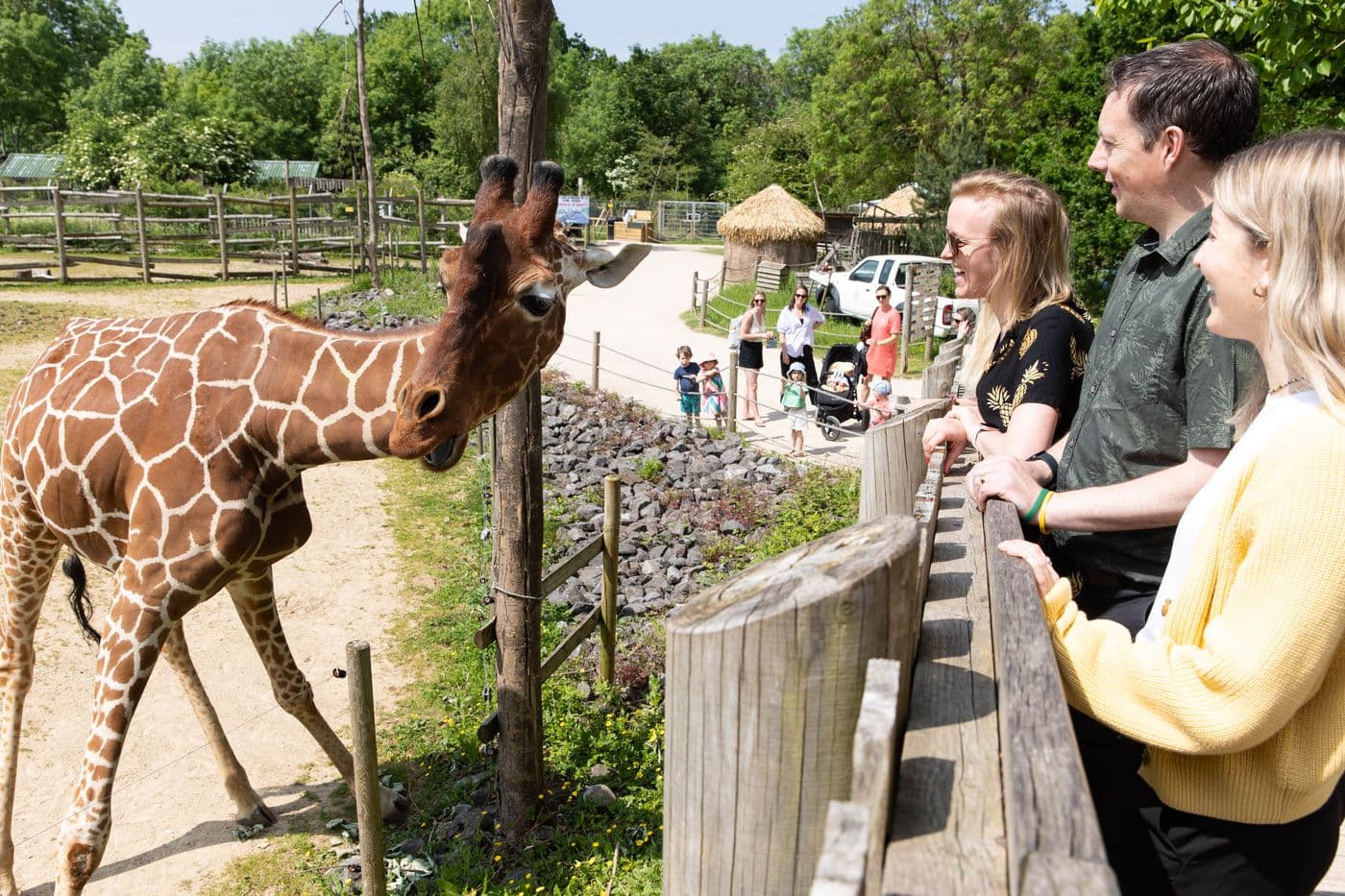
This course is the product of a unique partnership between the University of the West of England and Bristol Zoological Society (BZS). BZS is redefining what a world-class conservation zoo can be. As a student you lie at the heart of this vision. Our graduates represent a unique opportunity for BZS to create an impactful alumni-based conservation legacy by creating, inspiring, and enabling the next generation of conservationists.
You'll become a part of the close-knit and inclusive community of students, who call BZS their academic partner of choice, and join us as we endeavour to reverse habitat loss and species decline. You will be taught by our team of highly experienced conservation professionals, who will bring the theory to life by drawing on their work managing conservation projects across our Bristol Zoo Project site and the South West of England, and beyond to our global conservation programmes in Madagascar, Equatorial Guinea, the Philippines, Greece, Tanzania, Portugal and Cameroon.
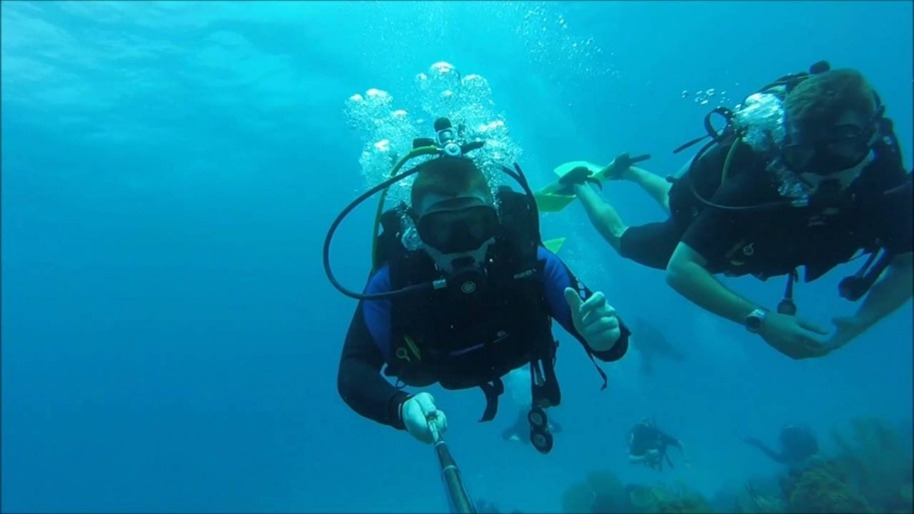
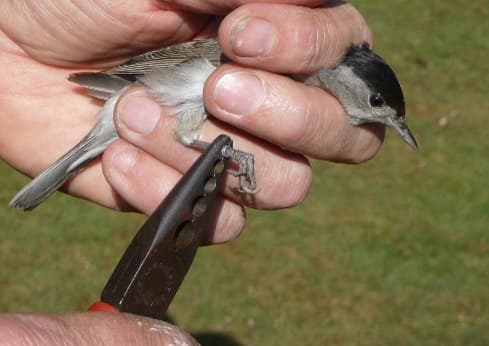
As a ‘hands-on' course, we get you out into the field as much as possible, complementing theory with practice while deepening your knowledge of conservation skills and application. Each year you'll have the opportunity to join a residential field trip, including an international tropical field expedition in your final year. Additionally, practical elements and local field trips are integrated into all modules as standard.
An optional sandwich year is offered in third year for any students wanting to undertake a work placement, and this course is also offered with a Foundation year if you do not meet the minimum entry requirements.
Here’s what past students have to say about their experiences of studying at BZS:
“The things that I learned prepared me for my career and allowed me to have a voice at my current job when it comes to the care of our animals and the preservation of their wild counterparts. The setting [at BZS] is wonderfully unique in that it allows you to gain a wide breadth of knowledge and open many doors post-graduation.”
“The Conservation in Practice module, led by BZS, provided me with an invaluable opportunity to volunteer for a conservation organisation of my choice. Through this consistent effort, I was offered a paid position at WWT Slimbridge within the Living Collections team. I am grateful for the Conservation in Practice module, as it has significantly contributed to my career in conservation."
“It has been a fantastic privilege to work alongside the immensely talented staff of this organisation, and to be provided access to such a vast trove of conservation resources that I could find nowhere else.”
“Thanks for a wonderful year, I’m very happy I made the decision to change courses and join this one.”
Programme Structure
The first year of the course will prepare you with the critical knowledge base required in ecology and conservation. As the course progresses, you'll have the chance to specialise in topics and subject matter that interest you the most, through our broad selection of elective modules.
Year 1
The first year is comprised of the following modules:
Life on Earth
The Earth
Field Skills
Wildlife and Society
Year 2
The course’s second year further develops these skills with:
Environmental and Field Techniques
Conservation in Practice
Ecology and Ecosystem Protection
You may also select from optional modules based on your interests, comprising:
Plant Growth and Survival
The Microbial World
Wildlife Ecology
Placement year (if applicable)
If chosen, you may spend a year away from university following Year 2, on a work placement.
Year 3
The final year of study requires you to complete a Research Dissertation Project and the Contemporary Conservation Science module. You then get to further specialise by selecting a total of four elective modules, from a wide and diverse selection including:
Environmental and Ecological Consultancy
Environmental Microbiology, Global Forest Systems
Marine Ecosystems
Primate Ecology and Conservation
Professional Practice in Applied Sciences
Remote Sensing and Geographical Information Systems (GIS)
Science Communication
Sustainable Food Production
Expedition to a Biodiversity Hotspot
Wildlife, Film and Media
Fieldwork
Fieldwork is integrated across the course. Not only does it get you out of the classroom, but it provides you applied learning opportunities, and exposure to practical ecology and conservation. Locally, we take you to areas including the Severn Estuary, the Cotswolds woodlands, Avon Gorge, and the Belmont Estate – a local rewilding site!
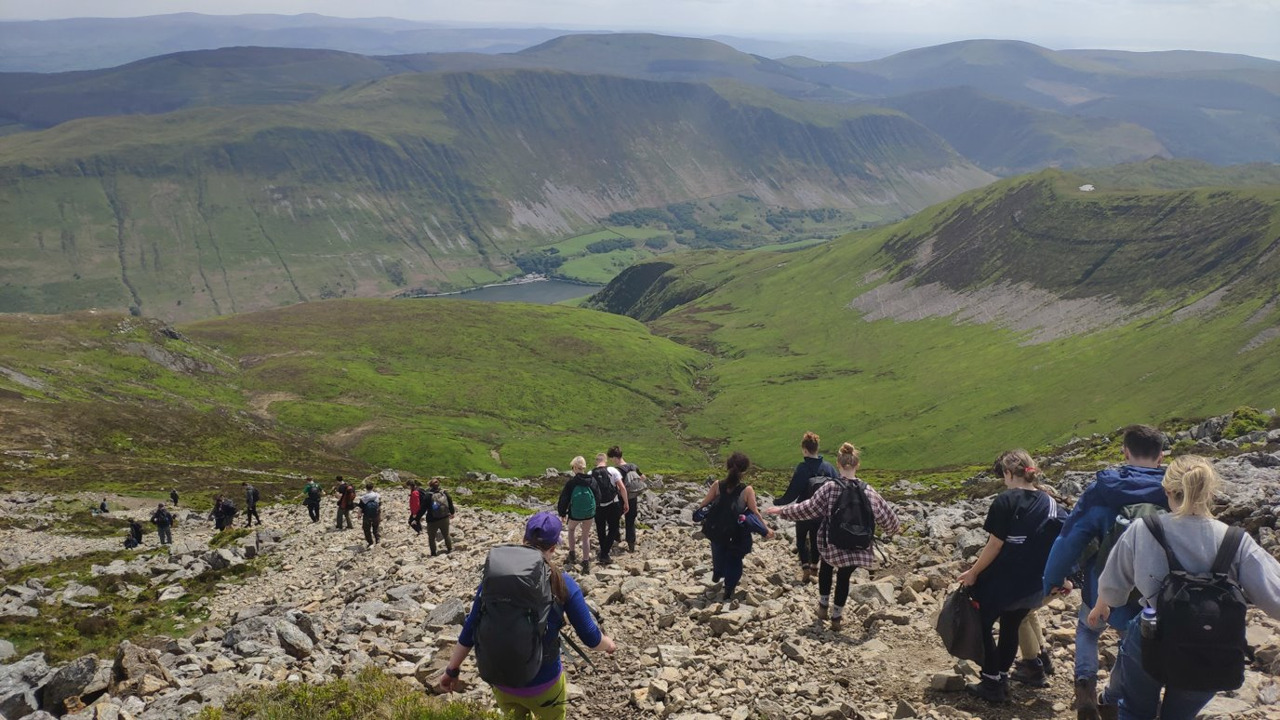
Residential trips are also built into the curriculum. In Year 1, we take you to Dartmoor, then in Year 2, we take you to Snowdonia. Finally in Year 3, you have your choice of research expeditions that go to Cornwall, Madagascar, Cuba or Greece.
These trips will aid your practical skills and knowledge of studying wildlife in the field while exposing you to real-world conservation work in the tropics.
Learning and Teaching
You'll learn through lectures, seminars, tutorials, lab sessions, workshops, case studies, work-based experiences, and fieldwork. This combination of learning methods will help develop and embed your skills, building your knowledge from theory to application.
Throughout the course, you'll receive pastoral support and personalised guidance from a Personal Science Tutor, who will help you to unlock your full potential.
Graduate Outcomes and Placements
By the end of the course, you'll be well set up for working with national and international conservation organisations, or ecological consultants such as Wildlife Trusts, The Woodland Trust and other non-government organisations (NGOs).
Practical experience in plant and animal survey work, competency at mapping (GIS), and knowledge of monitoring protected species such as great crested newts, reptiles, bats, badgers or water voles are especially valuable in finding rewarding jobs.
If you're interested in conservation education, there are opportunities with the Field Studies Council and other educational organisations.
There are also many options for postgraduate study and research degrees. You could specialise in an area such as wildlife film-making, science communication or environmental consultancy.
As a graduate, you'll be eligible to apply for a range of postgraduate courses at UWE Bristol, which will give you advanced knowledge and support your career development. These include MSc Applied Wildlife Conservation, MSc Conservation Leadership, MSc Forensic Science, MRes Applied Sciences, MSc Sustainable Food Systems and MSc Science Communication, .
Study facilities
You will be taught both at the University West of England’s Frenchay campus, with frequent trips to Bristol Zoo Project, where you'll learn firsthand about our national and international conservation projects. Being a student with us also gives you free access to the zoo during visitor opening hours, Monday to Friday.
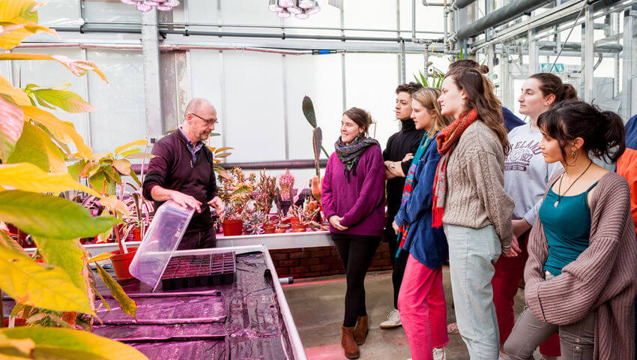
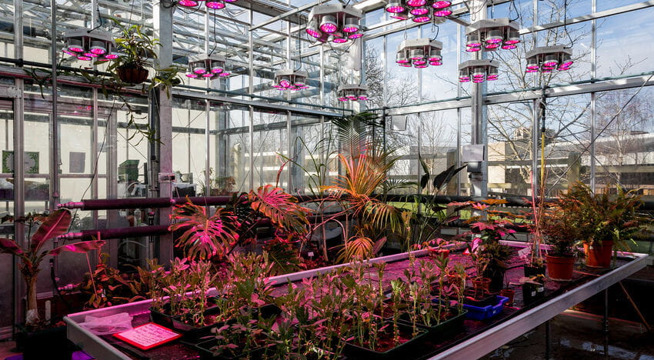
At the university, you will have access to well-equipped science laboratories, a glasshouse and a dedicated field centre. You'll also be supported and mentored by a team of specialists at the forefront of their profession and will have access to extensive equipment for fieldwork and field-based laboratory work at the UWE field centres.
Get to know the resources available in the university’s Environmental Science facilities and take a personalised virtual tour.
Programme lead and contact
If you have any questions, please contact mark.abrahams@uwe.ac.uk (Dr Mark Abrahams – the programme lead), or the BZS Higher Education department at research@bzsociety.org.uk.
Studying with Bristol Zoological Society
We offer undergraduate and postgraduate degree programmes in partnership with various universities and colleges. Take a look at how we can help you create a career in conservation.