

Student blog: Madagascar programme
Posted on: 8 May, 2026
This blog was written by student Lajos Kralik.
In 2025, I was accepted into the University of the West of England's Applied Wildlife Conservation master's program, bringing me closer to my dream of working in nature conservation. There were many exciting options to choose from when selecting a topic, and I landed on the Bristol Zoological Society (BZS) project in Madagascar, where I could apply my experience in insect sampling in one of the densest biodiversity hotspots of the world, and contribute to insect research in Sahamalaza Iles-Radama National Park.
Unfortunately, scientific literature regarding the invertebrate communities of this area is still very limited. Being among the first to contribute to this knowledge base was a great opportunity for me. My project aimed to see if invertebrate communities differed between different-aged reforestation plots compared to mature forest, serving as a potential indicator of ecological succession resulting from reforestation efforts. Ultimately, these results also help characterise the overall effectiveness of the reforestation efforts.
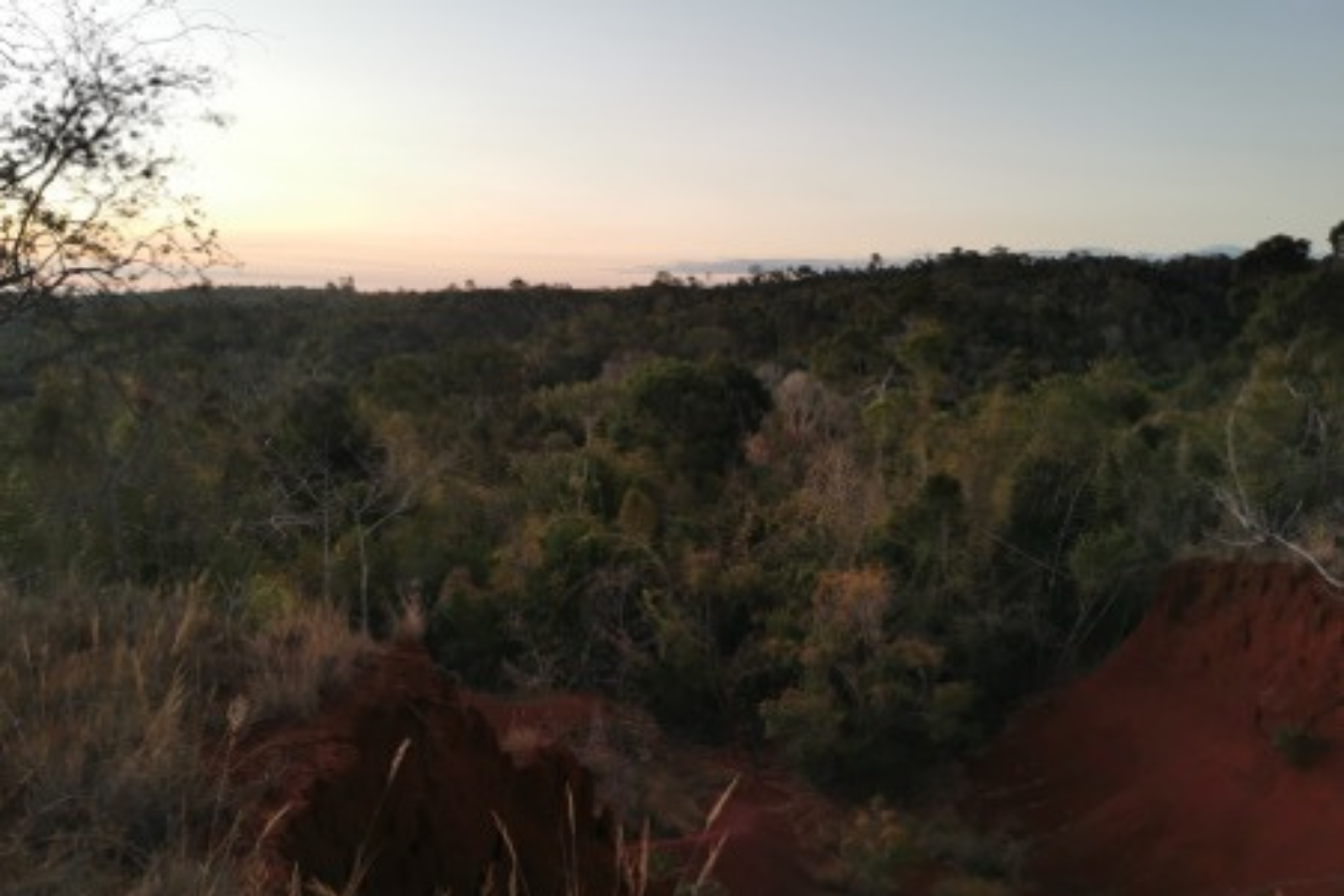
The Ankarafa forest fragment seeing from the hill above the camp. Photo: Lajos Kralik.
BZS’s Madagascar programme works in close collaboration with the local NGO The Lemur Conservation Association (AEECL), to carry out reforestation efforts and biodiversity monitoring, tracking changes in fauna and flora over time and supporting the recovery of forest ecosystems for these species within the National Park. A core component of evaluating these activities is through research, which is overseen by AEECL in the region and facilitated by BZS and its University partnerships. Through this opportunity I was partnered with a Malagasy student enabling collaboration on my research project, where I richly benefitted from learning local culture and language.
Upon my arrival at the airport, I met Sedera - the program director at AEECL, who brought me to my accommodation where I would meet Cynthia, my Malagasy partner student for my project. The AEECL provided strong logistical support during my stay, including organising accommodation and trips, due to the remote field site of my project site in northwest Madagascar. I had some experience with Africa, but even so, the two-day trip to the Ankarafa camp site was surprising. Our driver had excellent skills and patience in navigating the challenging terrain.
Upon arrival in the Ankarafa camp in Sahamalaza Iles-Radama National Park, I met with the rest of the BZS and AEECL teams, as well as two of my classmates from my course, also conducting fieldwork for their MSc research projects. They quickly explained the house rules and what life is like here.
The National Park has two large forest fragments: Anabohozo and Ankarafa, which are both largely degraded and fragmented landscapes. The reforestation work in the park by BZS and AEECL began in 2019, which is also overseen by Madagascar National Parks (the national agency responsible for managing protected areas). This work aims to increase forest cover, restore ecological connectivity, and provide food resources for frugivorous lemurs, particularly the critically endangered blue-eyed black lemur (Eulemur flavifrons) and the Sahamalaza sportive lemur (Lepilemur sahamalaza). In addition, protecting the forest is important to mitigate the effects of climate change, soil erosion, and stabilise the soil.
My first task once I settled in at camp was to prepare for my field work by checking and testing equipment so that we could reduce the risks that might occur with my equipment, as well as deciding where and how to set up the specific study sites and traps for my project. I also had to plan field work in advance, adapting to charge my equipment with solar panels, so my project could continue.
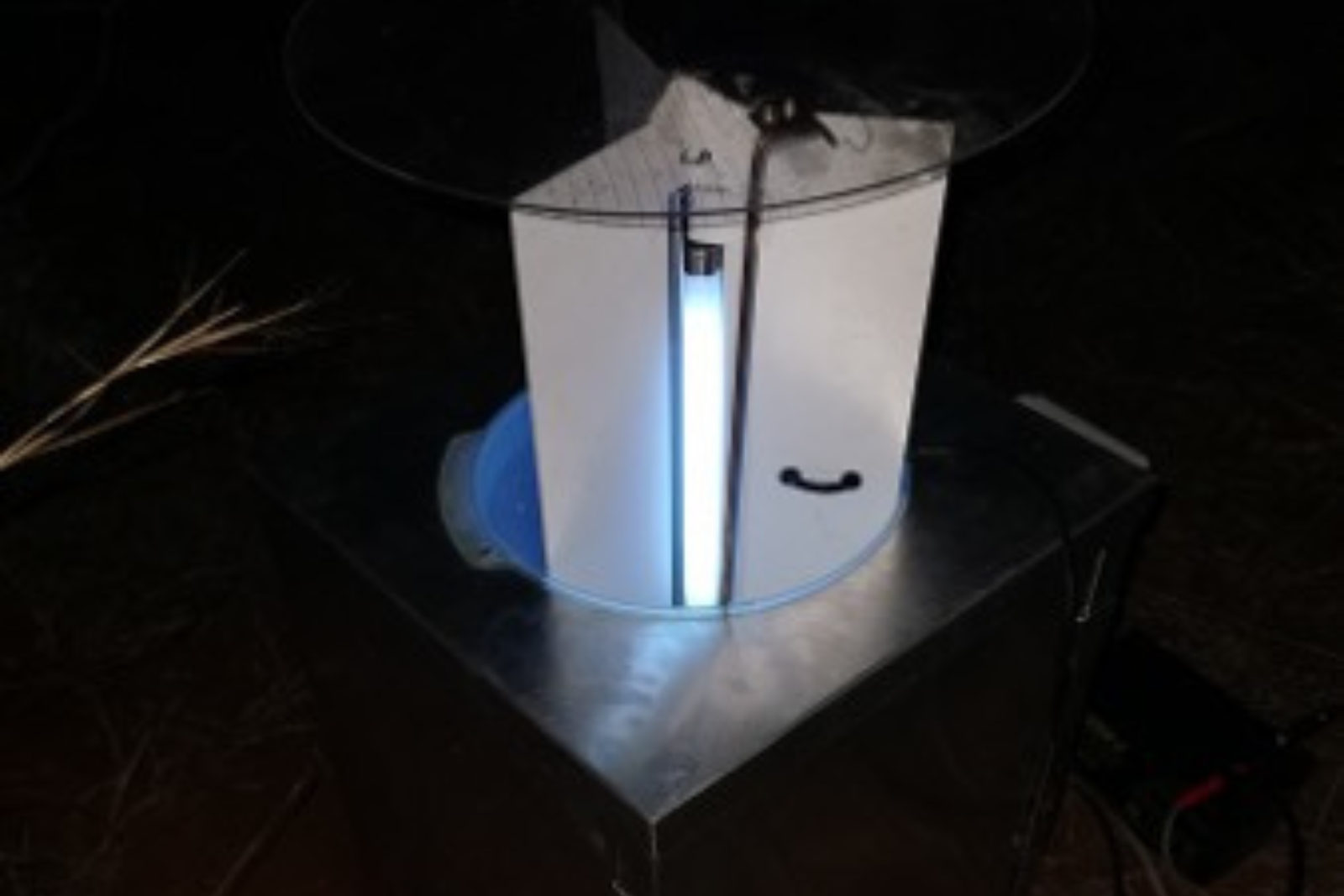
Activated light trap for nocturnal data collection. Photo: Lajos Kralik.
I used multiple types of traps to target different insect families and orders: a pitfall trap for ground-dwelling insects like ants, a Malaise trap for flies and wasps, and a light trap for moths and flying insects.
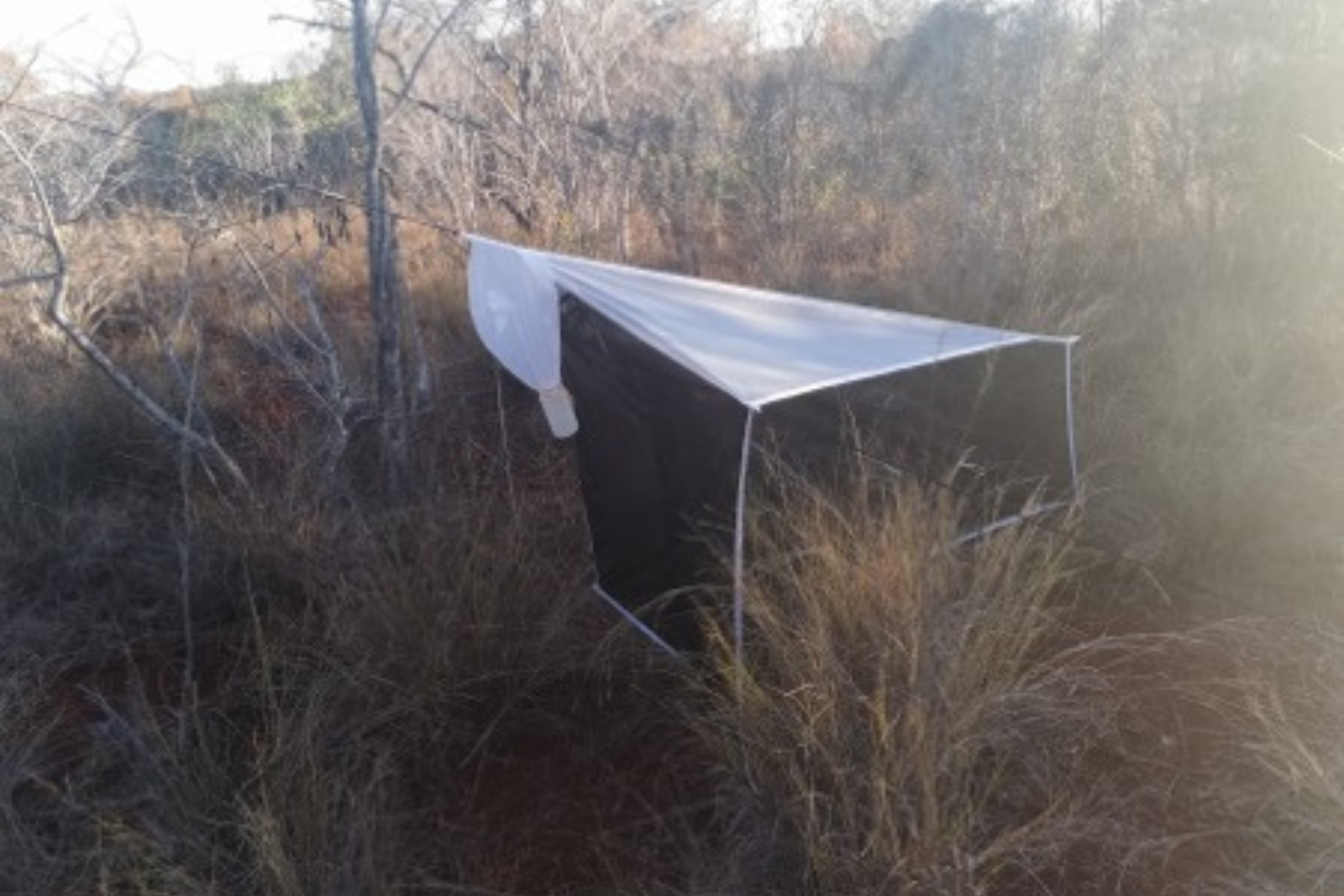
Malaise trap: ready to catch. Photo: Lajos Kralik.
The traps were placed in four types of study areas: mature forest, one-year-old, three-year-old, and five-year-old reforested sites. These methods were used to understand how invertebrate communities respond to early-stage reforestation and whether restored forests begin to function ecologically within a few years, using the mature forest as the reference research site. My hypothesis was that this site would have the most developed insect communities at every level, and this provides the basis for evaluating the insect communities in reforested areas. Despite the mature forest's degradation and fragmentation, I was not disappointed with the abundance and diversity of invertebrates observed.
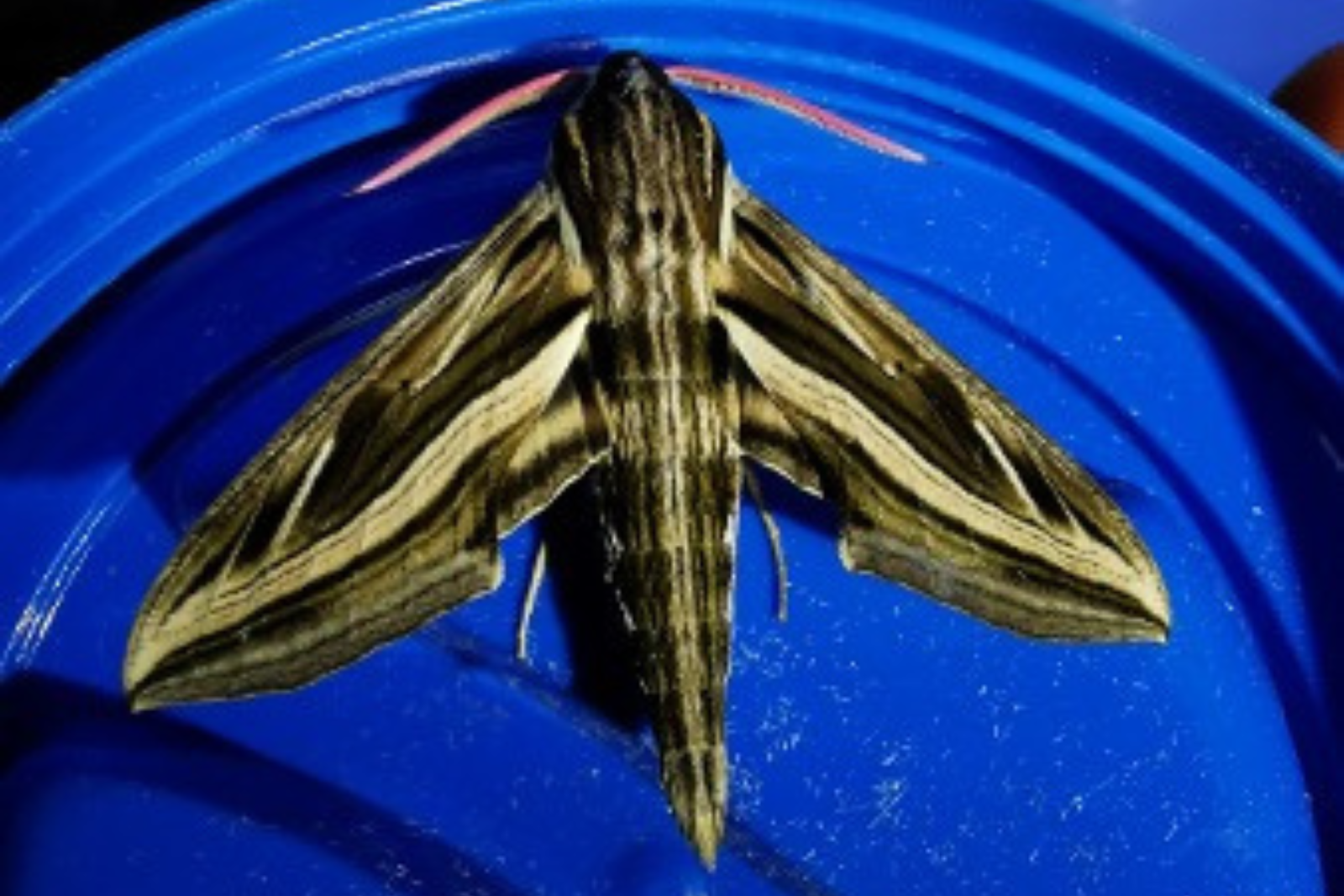
Unidentified moth species. Photo Lajos Kralik.
The reforested areas showed how hard it could be to achieve ecological restoration. Due to traditional slash-and-burn farming methods, poor soil quality, and prolonged seasonal droughts, vegetation in the area grows very slowly making reforestation efforts challenging.
I found that reforested sites were more open, so flying insects could move into them much more easily, and this was reflected in light-trap catches. However, we can’t assume that large number of individuals flying in is a sign of success, as living conditions such as water and food are not yet sufficient for a large community. It was very interesting that the other traps caught fewer insects, and the small number of individuals in the soil trap also indicates slow regeneration. It perfectly illustrated how time-consuming the restoration process is.
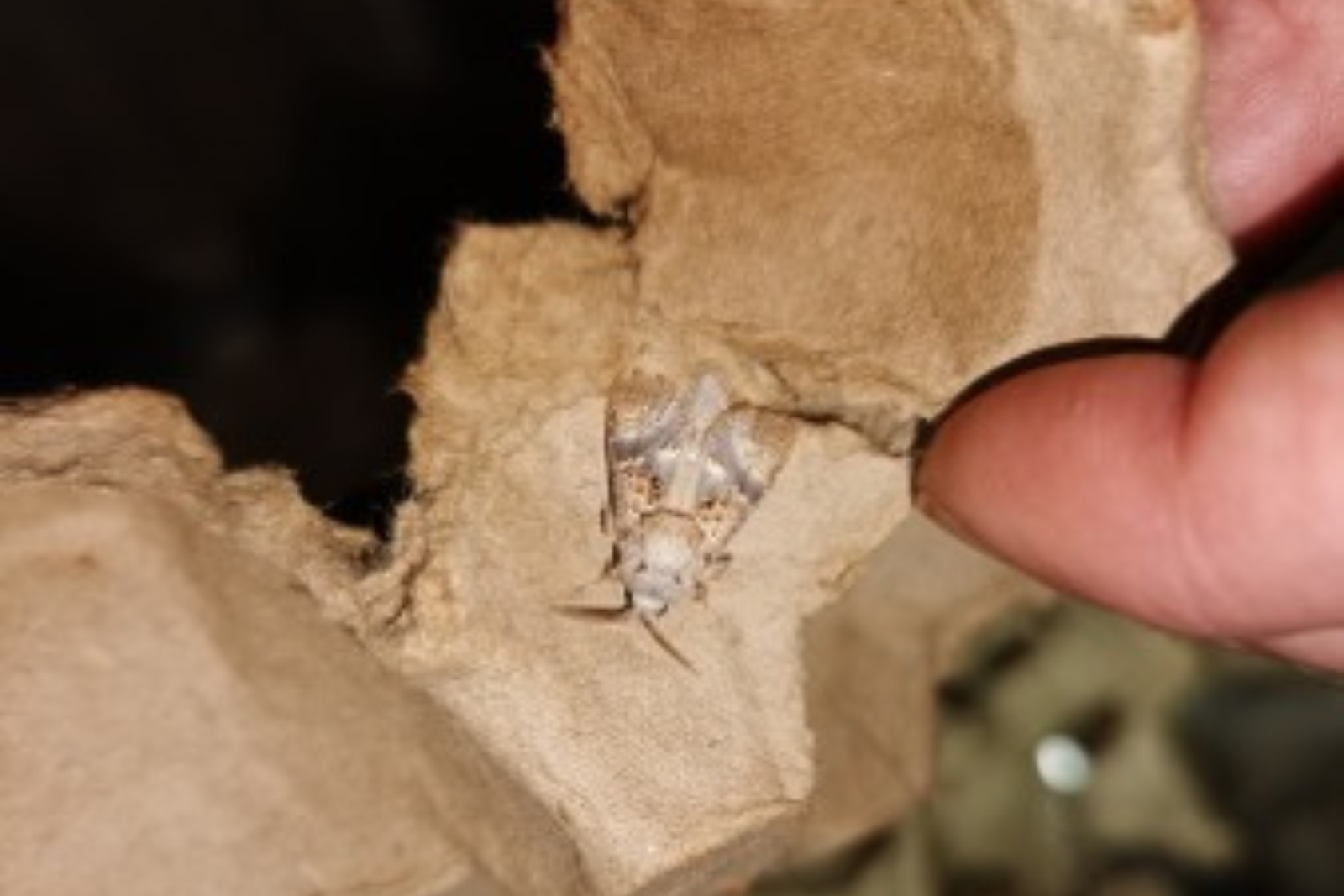
Unidentified moth species. Photo: Lajos Kralik.
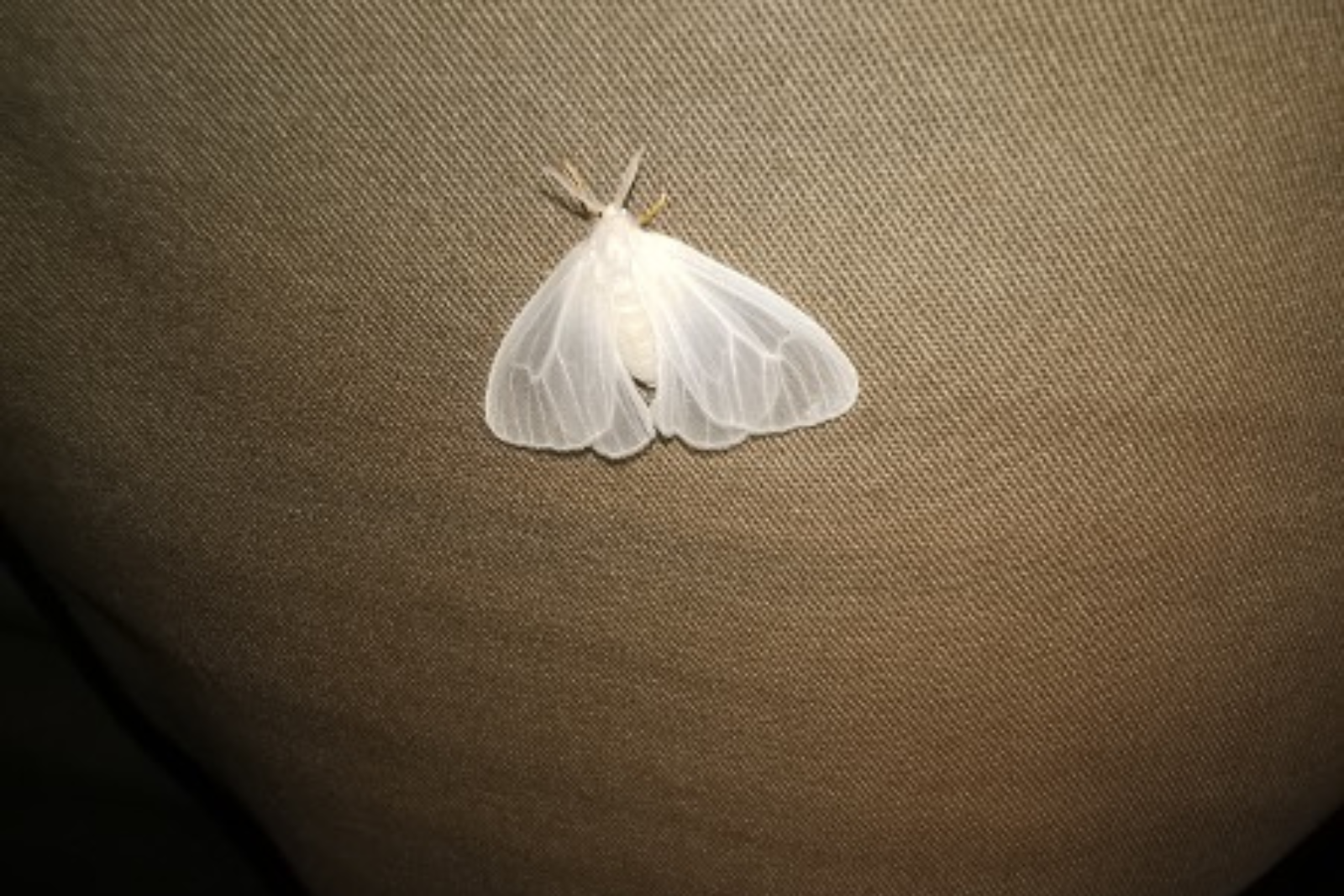
Unidentified moth species. Photo: Lajos Kralik.
The daily routine was great - in the morning, we had a quick breakfast, then went to a study site where I set Malaise and pitfall traps, and then returned to camp. My guide, Ramadan, and my student, Cynthia, were very interested, and several days later, they already knew how to set the traps on their own. During the day, I wrote my research notes and selected sample photos. In the late afternoon, we returned to the study site, collected the results and traps, prepared for the evening, and set up the light trap. In invertebrate monitoring, the light trap captures the most spectacular individuals. While waiting for the trap to work, it was truly amazing to experience the silence, where you could hear only the sounds of nature, and to look up at the sky with completely different constellations and be able to see the Milky Way, without any light pollution. A few hours later, I took many photos of the individuals caught for identification, then removed the trap and returned to the camp.
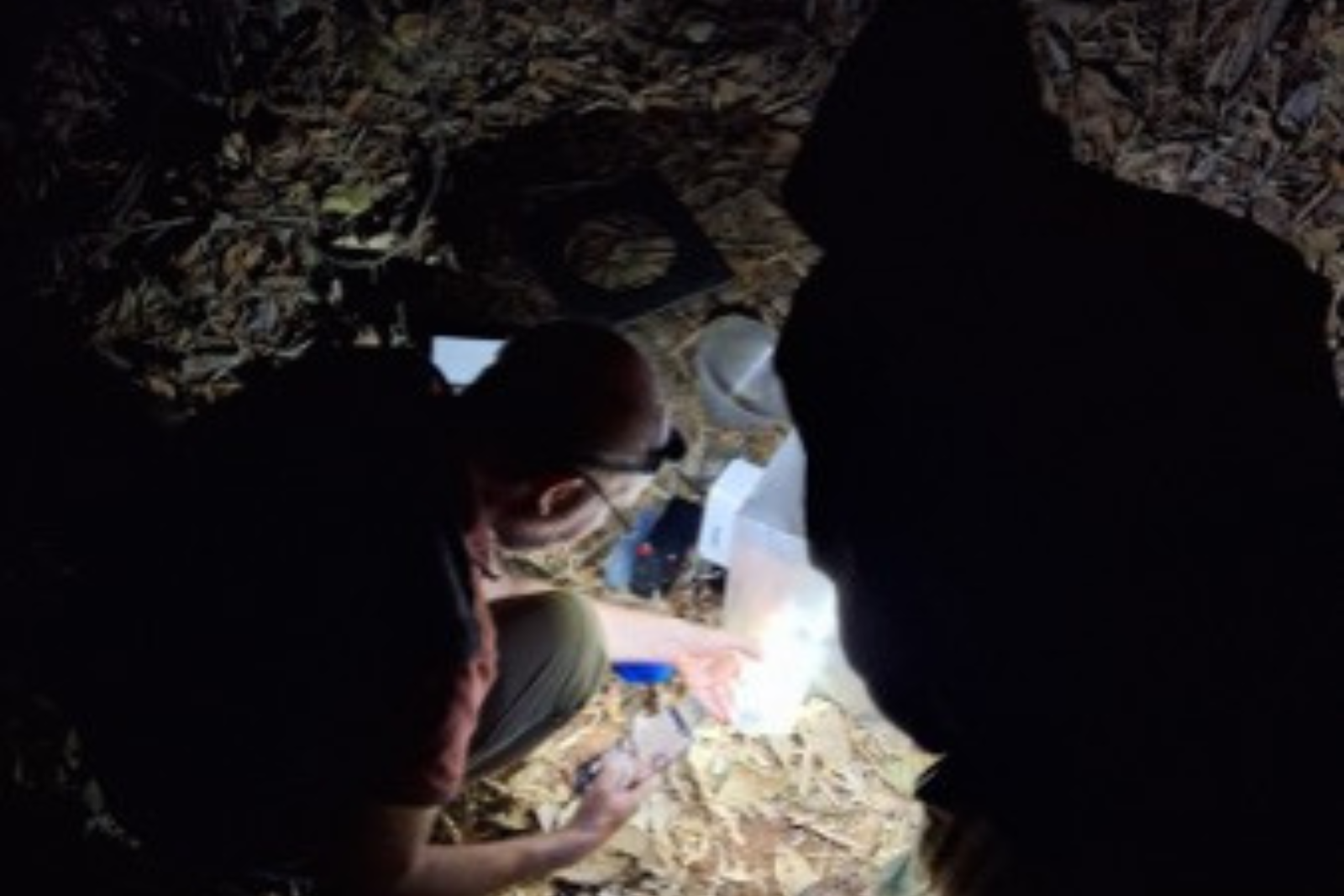
Specimen recording process through photograph data collection: Photo: Sophie Taylor.
After returning to the capitol city of Antananarivo, I immediately began the identification process at the invertebrates I observed at family level to ensure greater accuracy. Despite the incredibly diversity, our knowledge and literature basis for invertebrates in northwest Madagascar is still very limited. I hope this project will help to build a foundation for this knowledge base. This research was a new project in the Sahamalaza National Park, and even though it provided only a snapshot from a given area, we have already gained a great deal of information about the composition of local insect communities and the challenges of reforestation. Nevertheless, this is an important step towards future success, and I hope that this research will continue.
The experience gave me a realistic understanding of conservation fieldwork: progress depends not only on ecological theory, but on logistics, teamwork, and the ability to adapt when things do not go as planned!
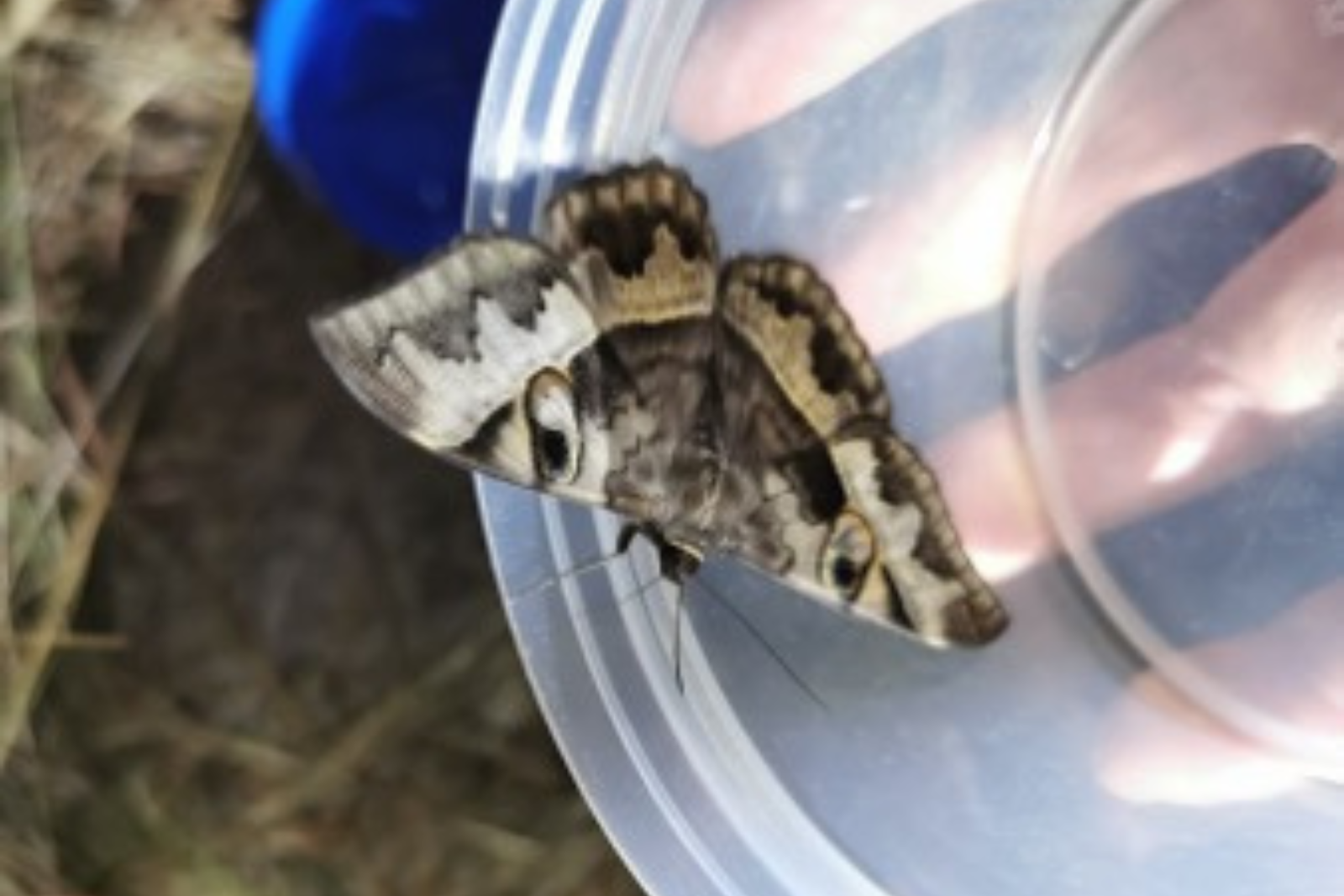
Unidentified moth species. Photo: Lajos Kralik.