

Protecting Panay's warty pigs
Posted on: 14 April, 2026
Bristol Zoological Society is working alongside in-country partner PhilinCon to safeguard wildlife and support communities in one of the Philippines’ most important conservation landscapes.
In the Northwest Panay Peninsula Natural Park, these efforts focus on protecting the Critically Endangered Visayan warty pig while addressing the challenges faced by people living alongside this unique species.
Since October 2025, our project, funded by the Asian Species Action Partnership (ASAP), has been working to understand the frequency and severity of crop foraging by Visayan warty pigs. Crop foraging was previously identified as one of the main reasons why communities dislike the pigs and, therefore, a key driver of illegal hunting. The project aims to develop conservation actions to reduce crop damage and improve attitudes within communities and farms surrounding the Northwest Panay Peninsula Natural Park in the Philippines.
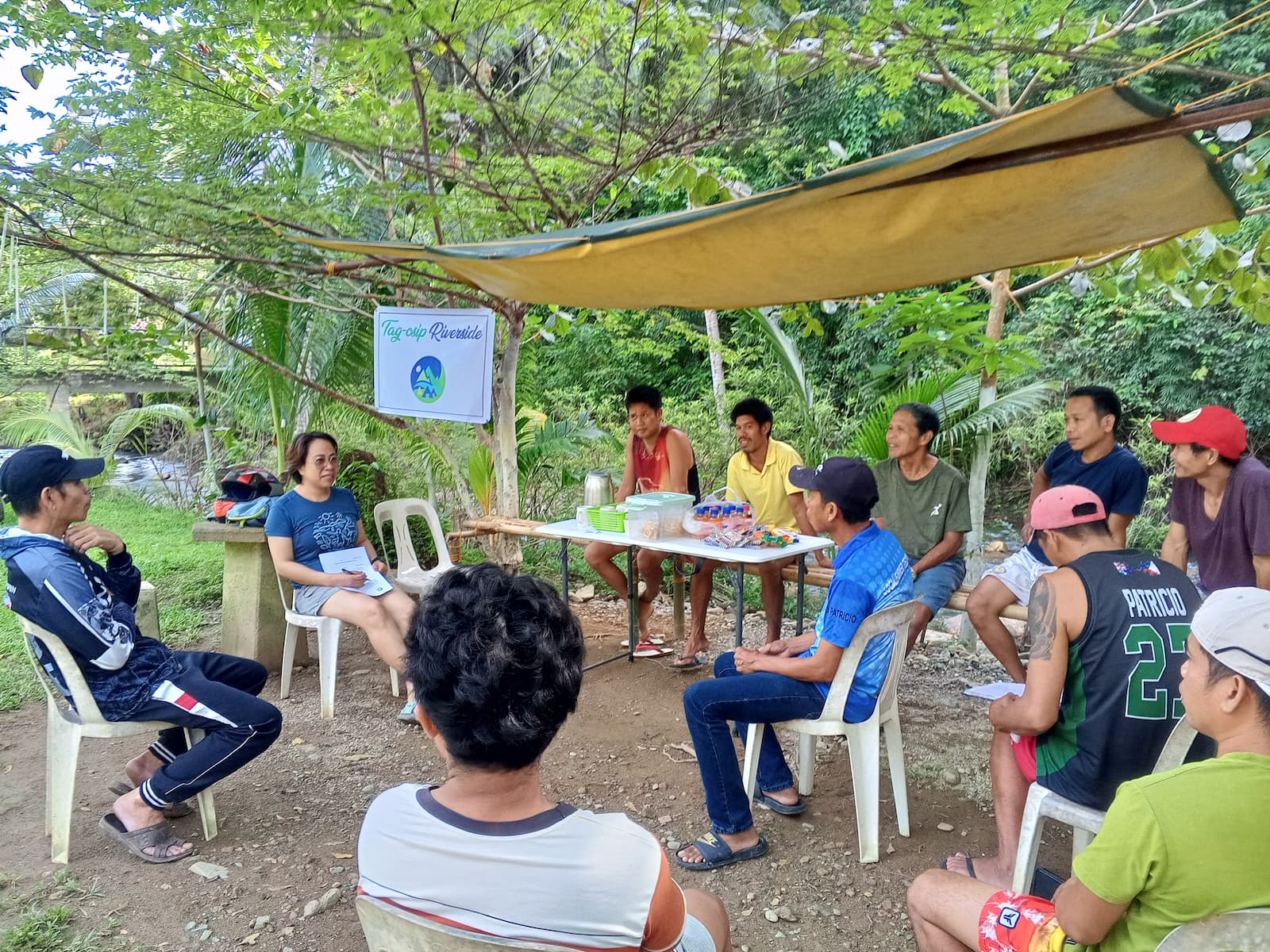 Voices of the village: Community approval and engagement
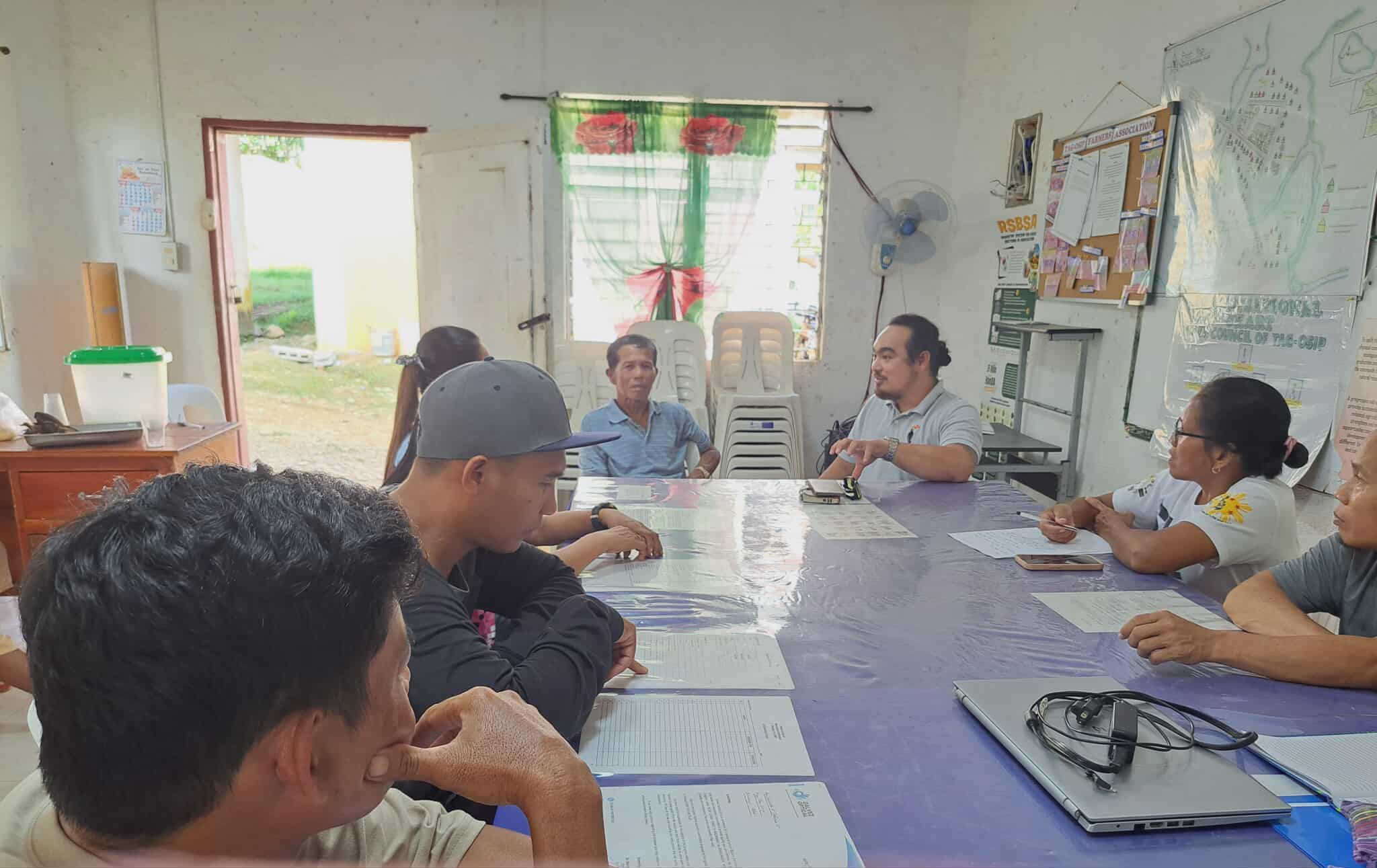
Our in-country project manager and research assistant first met with community leaders from Tag Osip, Nabaoy, and San Juan, where they received a warm welcome from village councils who were engaged and enthusiastic about the project. During these initial meetings, several farmers expressed an interest in working with the project and provided helpful local knowledge on specific areas the project should target.
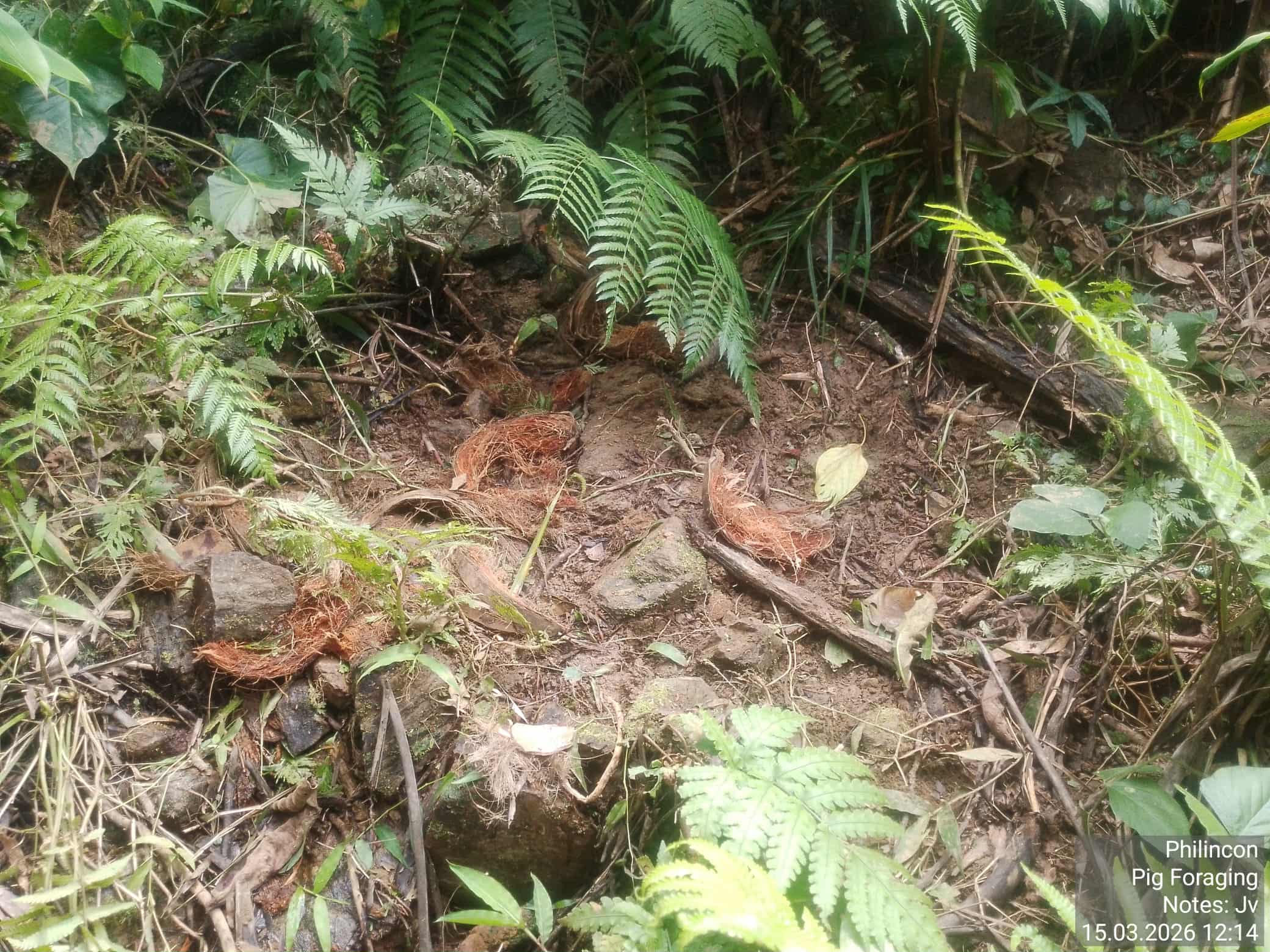 Evidence of pig foraging
Wild appetites: Banana and coconut crazy
Unfortunately, a severe tropical storm season saw the evacuation of various communities across the island, delaying the start of data collection. However, once conditions improved, we were able to begin the first stage of the project – community interviews.
So far, we have interviewed 21 farmers from two communities, with results showing that crop damage by animals is a serious problem, reported by all the farmers we interviewed. Visayan warty pigs and Philippine long-tailed macaques were named as the species causing the most problems. Estimates of how often warty pigs visited farms was varied, with 66% farmers saying that pigs are seen on a weekly basis. The pigs also appear to have a sweet tooth with a particular appetite for fallen coconuts, purple yams, and bananas.
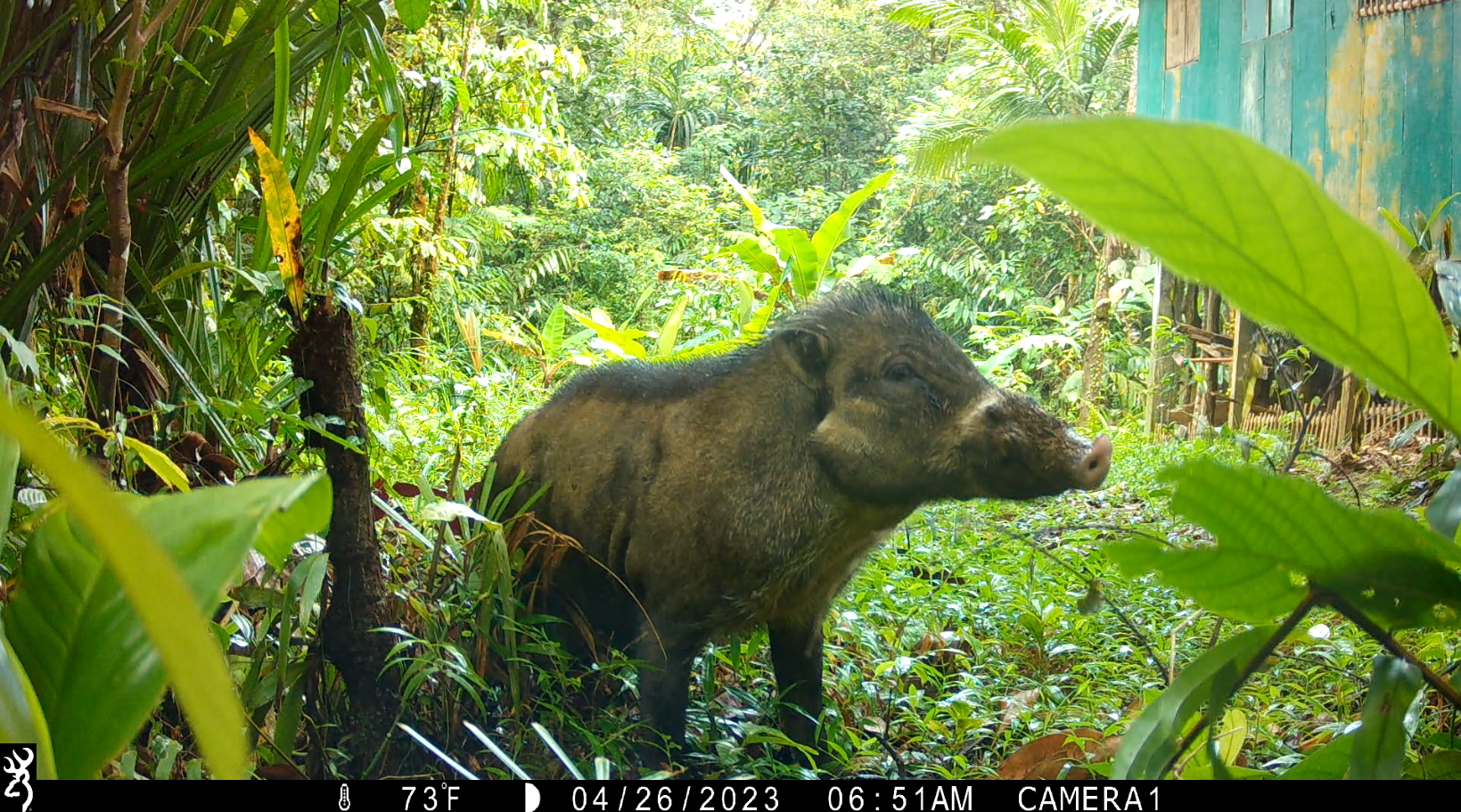 Caught in the act: Camera trap deployment
As a result of the surveys, several camera traps have been deployed on the farms, which reported a high frequency of crop foraging, to collect direct evidence of pig presence. Currently, we only have farmer testimonies of pig sightings, but in the future, our in-country team are hoping to capture some images and footage of Visayan warty pigs.
Six camera traps were deployed in January 2026 within two high-risk farms and will stay there for several weeks of monitoring. Although the first camera check did not show any warty pig sightings, there were some friendly local faces, including a visit from a Visayan leopard cat and various bird species. We are eagerly awaiting the next camera check that will take place this month.
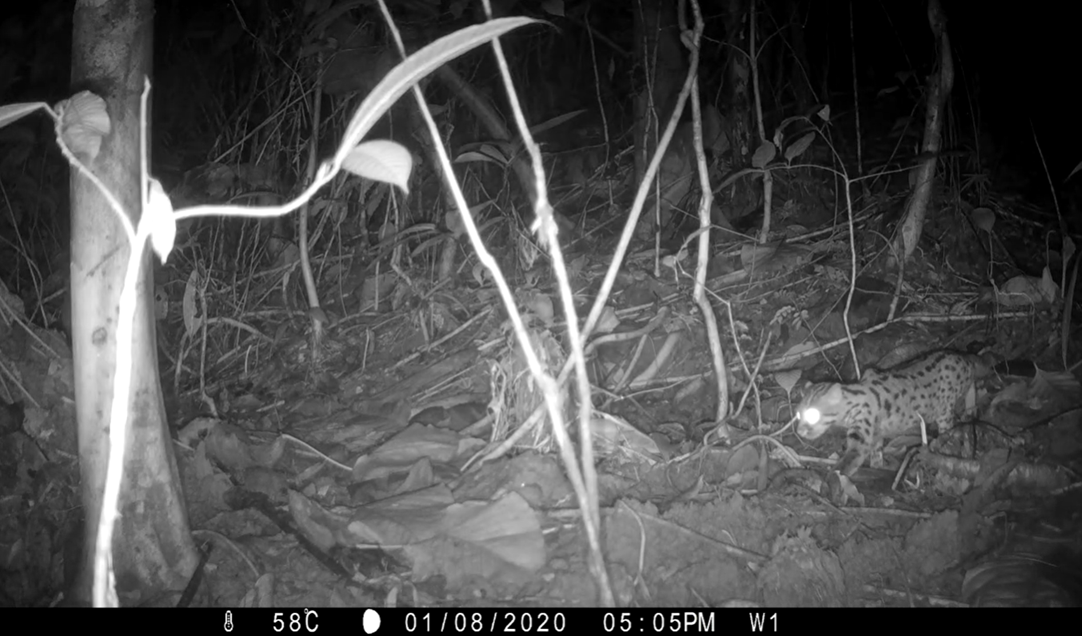 Visayan leopard cat
Moving forward: Our next steps
Over the next six months, we will discuss some options for mitigation methods with participating communities. This will likely be a combination of both direct interventions, such as fencing or netting to protect crops, as well as engagement activities with local farmers to improve attitudes towards the warty pigs. The team are optimistic that the project will start to fill our knowledge gaps on pig crop foraging and build positive relationships between local communities and wildlife.
 This blog was authored by Isla Wells, MSc Conservation Leadership student, UWE.
Find out more information about our different conservation projects in the Philippines below.
Want to help us save wildlife?
Become a member today for a year of wild adventure, and help protect the animals and habitats you love by supporting our conservation charity.