
Indigenous wildlife knowledge and forest use in the Philippines
Posted on: 9 June, 2026
This blog was authored by Isla Wells, MSc Conservation Leadership student, UWE.
Tucked away in the heart of the Philippines, Northwest Panay Peninsula Natural Park is one of the country’s most important protected areas. The park is home to a rich diversity of wildlife, including many threatened species. However, its biodiversity faces growing threats from illegal hunting which is placing the park and many of its endangered species under extreme pressure. Here at Bristol Zoological Society, we aim to understand the drivers of these threats and support the communities living alongside the park. Our current project, funded by the Woodspring Trust and working alongside in-country partner PhilinCon, has established relationships with two Indigenous communities in the area to understand their forest resource use. It’s crucial that we collaborate with Indigenous communities so that we can ensure effective and culturally sensitive management of the park.
First steps
The project started in July 2025 when PhilinCon staff met with two Indigenous communities to discuss ideas and priorities. This was a warm and welcoming experience, where we were met with full support from village elders and chiefs and established the first engagement of a conservation organisation with the communities of Malindog and Botong. This positive start to the project meant the team were on track to begin learning more about these communities’ traditional practices. However, in order to collect data, we required permits from the National Commission for Indigenous Peoples (NCIP). This was a long process but is vital to ensure that the communities are protected and can provide informed consent for our data collection. All permits were eventually granted and so the project is moving smoothly ahead!
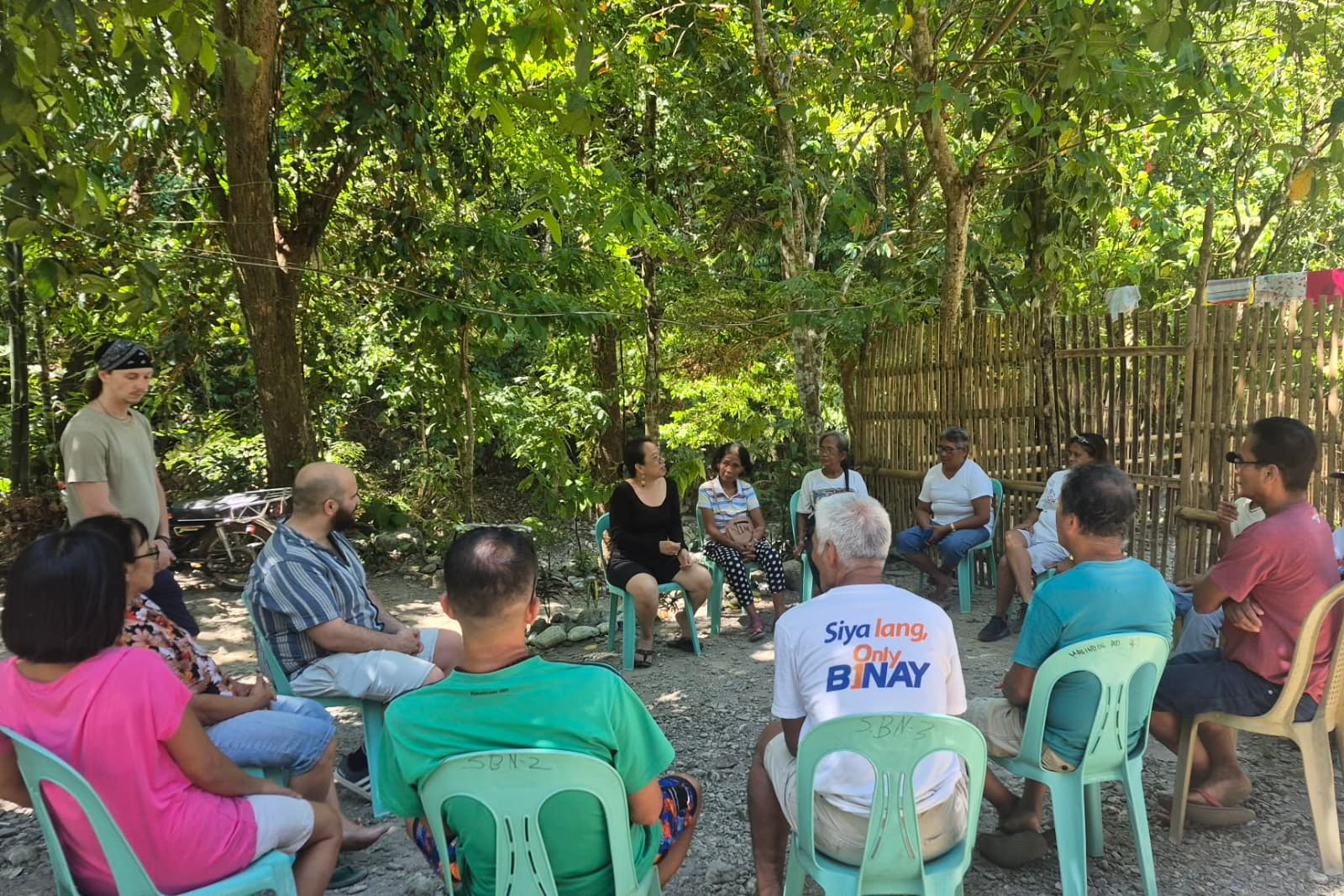
Sitio Malindog and Sitio Botong Communities
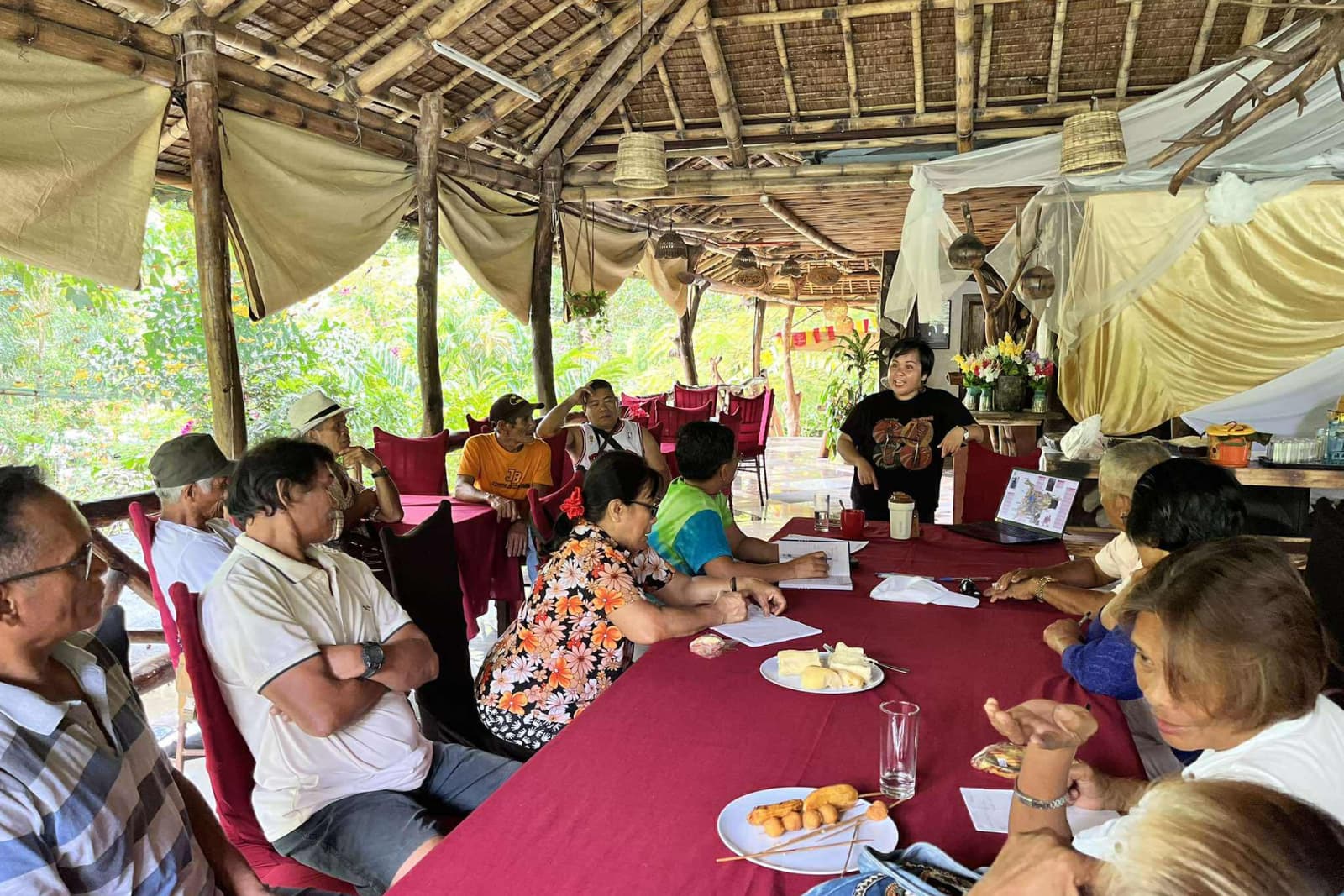
Moving forward we engaged with 15 community elders to explore possible learning and training opportunities that our in-country team could offer.
These meetings provided the opportunity for elders to discuss what they believe are the most important capacity building elements their communities are interested in. The team confirmed the key areas the workshops and activities should focus on, these included livelihood and enterprise training, alongside youth activities to engage younger members of the community with environmental issues and traditional practices. Other workshop topics also included understanding more about the process of applying for a Certificate of Ancestral Domain Title. This is a legal document that officially recognises the ownership and rights of Indigenous communities over their territories.
Conducting community activities
After learning more about the two communities’ key priorities, the project could then begin conducting community workshops and engagement activities.
The workshops started in September 2025, with the initial session focusing on understanding ancestral domain recognition. Dr Joyce Colon, a consultant for the National Commission for Indigenous People, ran a workshop with the communities to help them understand their rights, the requirements for the application process and to highlight key documents the communities may need. Our Woodspring Trust project will begin documentation of some of the communities’ cultural practices, which will help them take the first steps in the process of applying for a Certificate of Ancestral Domain Title.
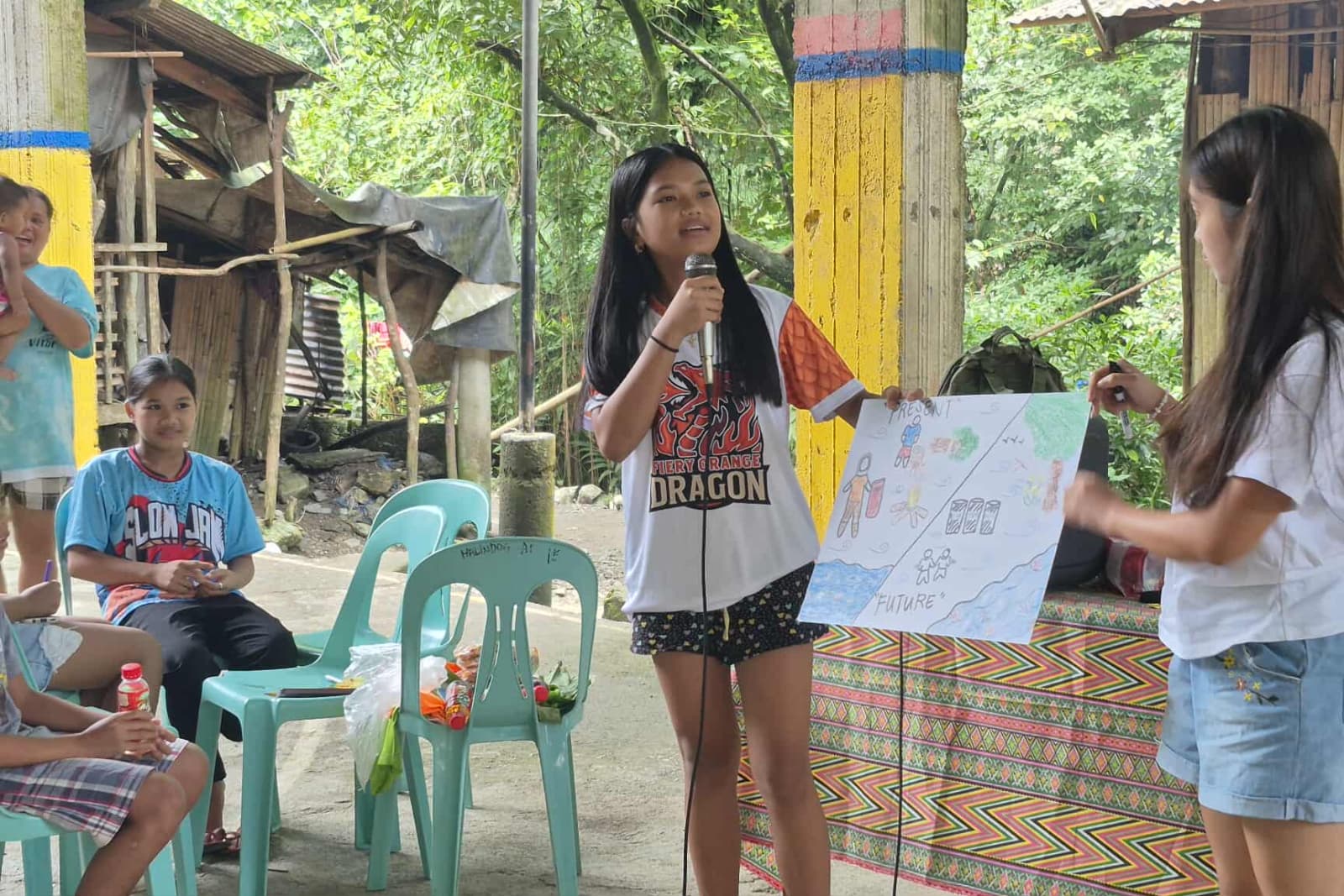
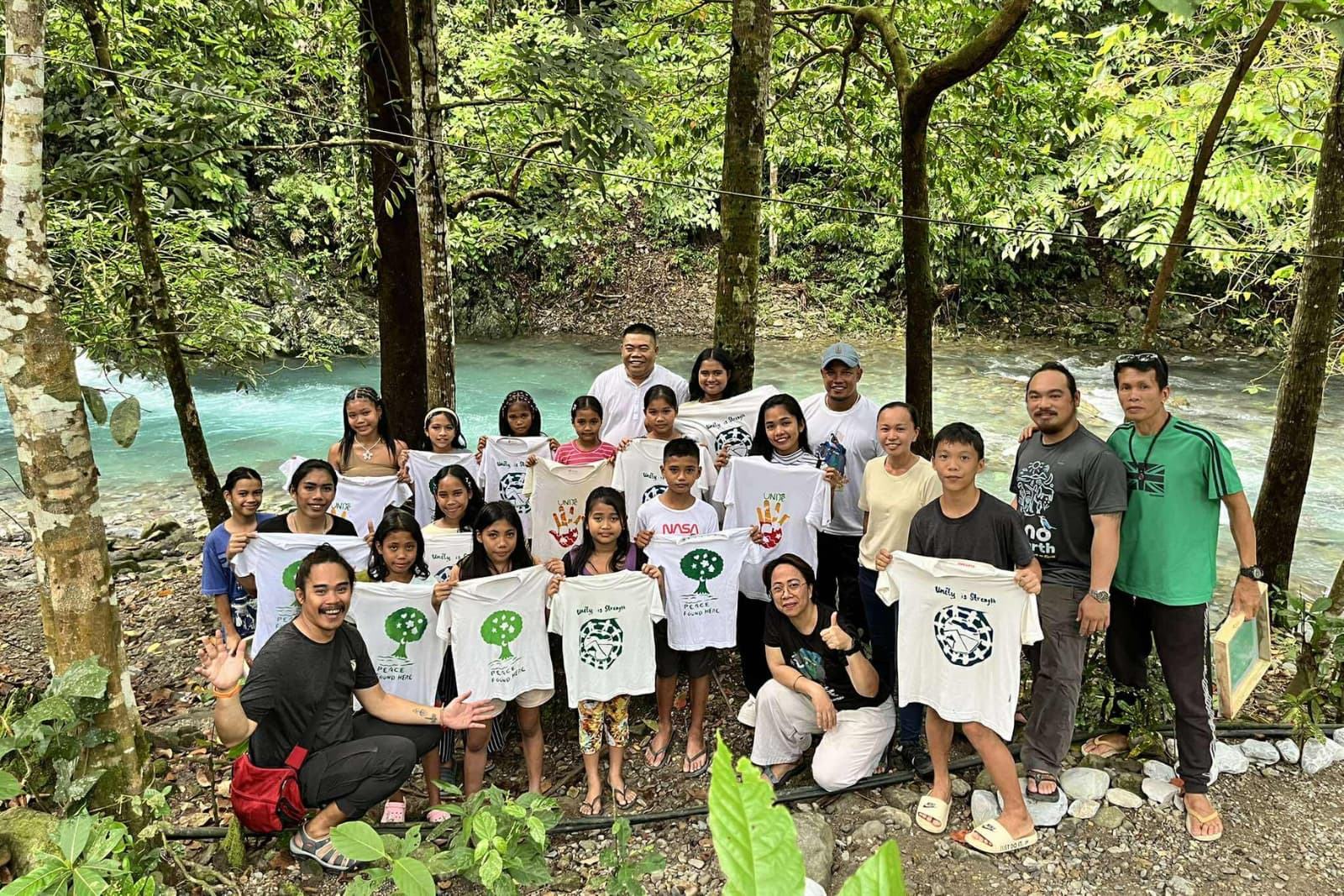
In October, to celebrate Indigenous Peoples month, the team conducted sessions for the youth and wider community, which focused on improving communication across generations, inspiring cultural understanding and encouraging reflection on how traditions are passed down over time. We were delighted to achieve strong participation amongst the younger community members who were keen to get involved with the games and art activities. These sessions carried on throughout November and December, continuing to build relationships with communities and to connect the youth with important environmental sessions.
At the start of this year, the in-country team arranged a field trip for the community’s women weavers to visit a local weaving cooperative where they discussed how to expand their product line and marketing opportunities.
Our next steps
More recently, we have completed interviews with the elders of these communities to understand their perceptions of wildlife and traditional hunting practices. The interviews covered topics including which species hold significance for their community, how they feel about the national park, and how hunting practices have changed over time. This information will help us to consider our next steps for integrating Indigenous knowledge into conservation management and supporting sustainable use of the forest.