

7 surprising facts about wolverines
Posted on: 22 April, 2026
Fierce, elusive, and resilient, wolverines are true icons of the wild north.
Roaming the cold, remote wilderness of the northern hemisphere, they are the largest members of the Mustelidae family, which also includes weasels and badgers, and are known for their strength, endurance, and surprisingly bold behaviour. Despite their relatively small size, wolverines have earned a reputation as fearless scavengers and skilled hunters, capable of taking on prey much larger than themselves.
Built for life in some of the toughest environments on Earth, wolverines are often found in snowy forests and tundra, cold and treeless biomes, across North America, Europe, and Asia. They play an important role in maintaining healthy ecosystems as keystone predators that regulate prey populations and prevent overgrazing.
Here at Bristol Zoo Project, mother and daughter, Alice and Scottie, live alongside bears, wolves and lynxes in our award-winning Bear Wood habitat. From their snow-adapted bodies to their remarkable survival strategies, wolverines are full of fascinating surprises. Find out more below.
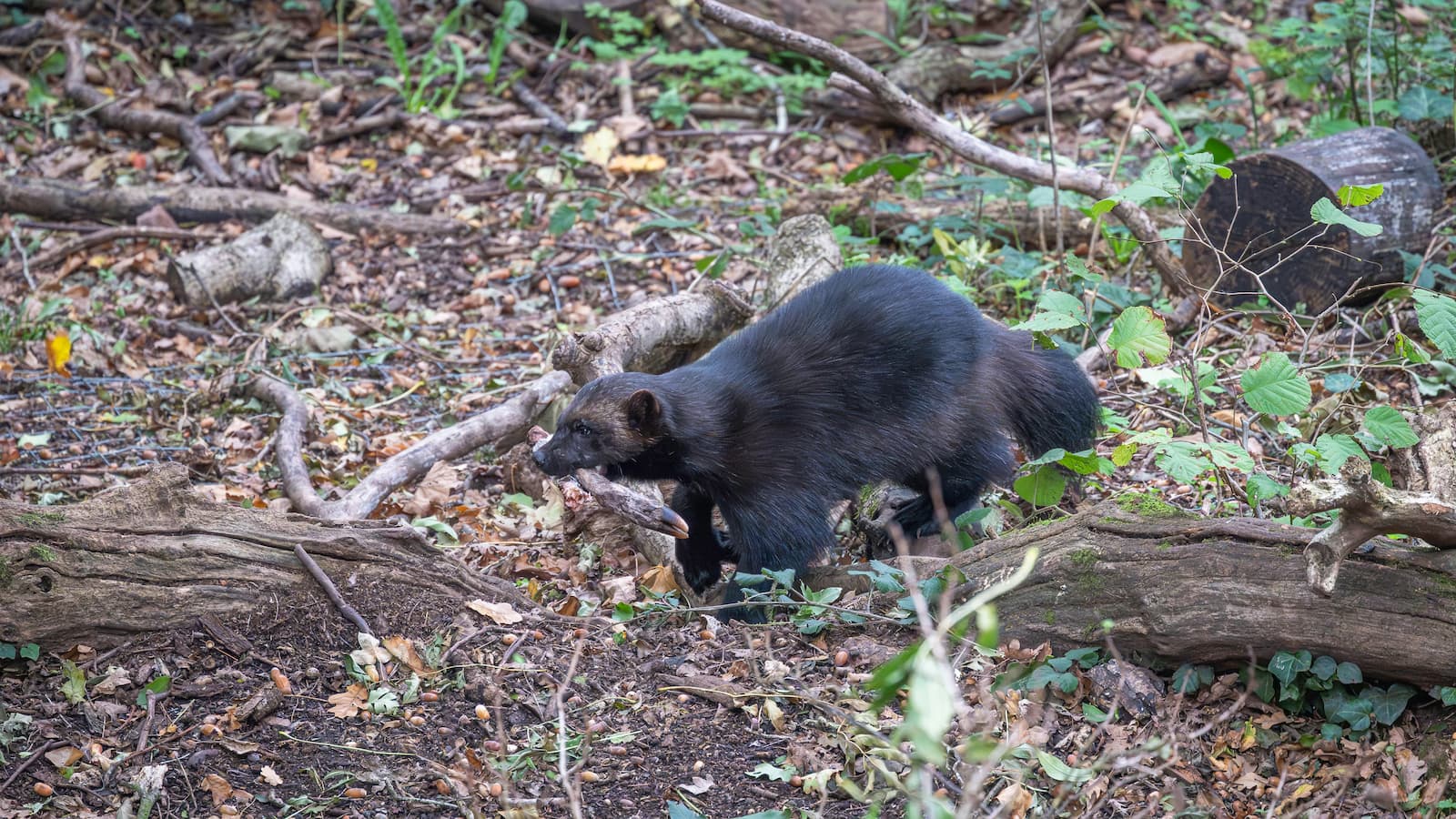 Photo credit: Doug Lodge
1. Wolverines are small but mighty predators
Wolverines may only weigh between 8 and 18 kg, but don’t let their size fool you. They are one of the strongest mammals relative to their body size. With stocky builds, muscular limbs, and sharp claws, they can take down prey much larger than themselves or drag carcasses across long distances. They’ve even been known to stand their ground against wolves and bears, which is impressive for an animal often described as a “baby bear”!
2. Wolverines are built for life in the snow
Living in icy environments requires special adaptations, and wolverines are perfectly equipped. They have large, wide paws with five toes that act like natural snowshoes, helping them move across deep snow without sinking. This advantage allows them to travel long distances or hunt in winter, as many other animals struggle to move through thick snow. Their dense fur also provides excellent insulation against freezing temperatures.
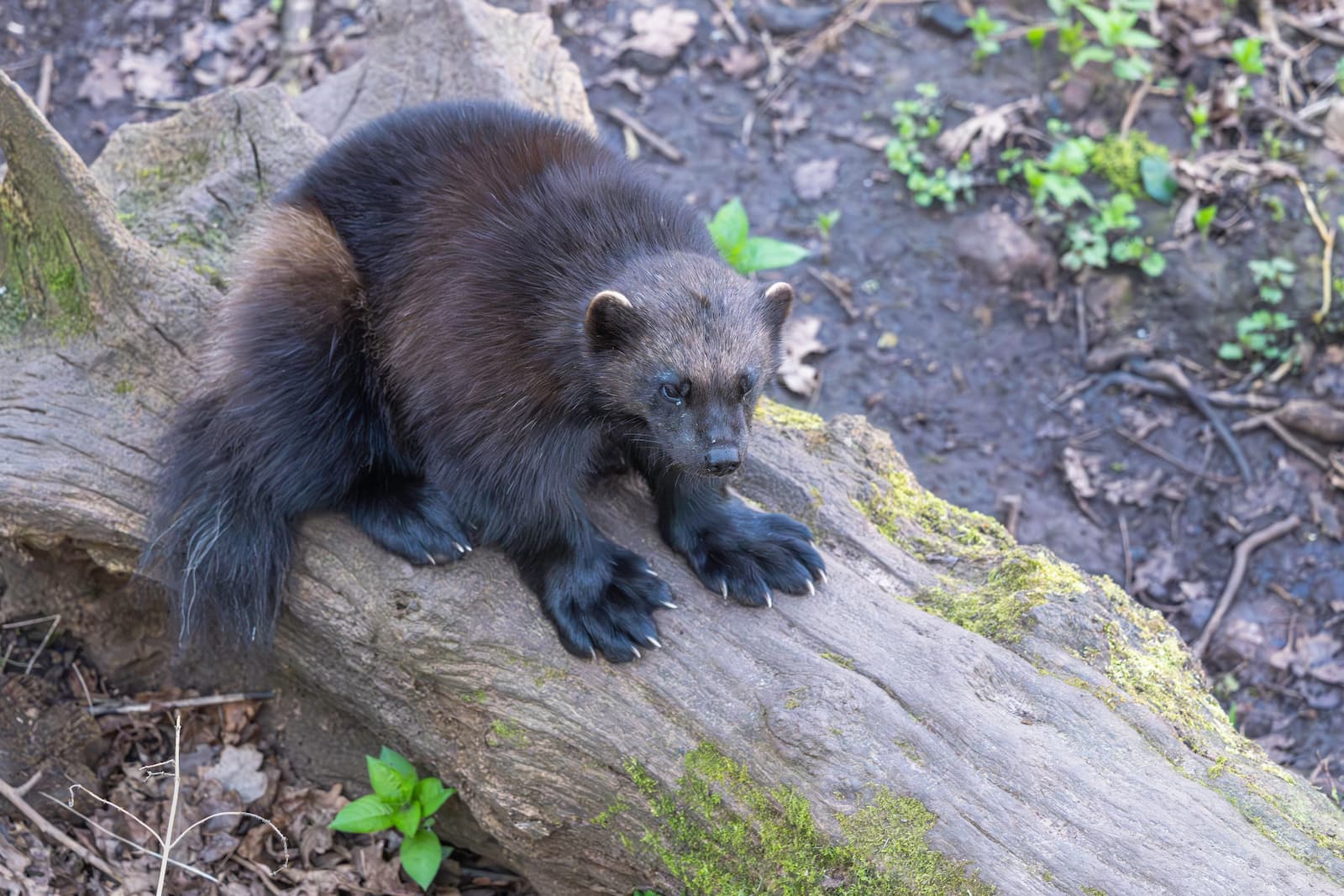 Photo credit: Doug Lodge
3. Wolverines have an incredibly powerful bite
Life in the cold often means dealing with frozen food, and wolverines are well prepared for the job. They have strong jaws and a specialised upper molar rotated nearly 90 degrees, allowing them to slice through frozen meat and even crush bone. This adaptation means they can make the most of carcasses that other predators might leave behind.
At Bristol Zoo Project, our Animal Team freezes the wolverines’ food to encourage natural behaviours, challenging them to break through the ice and work for every bite.
4. Wolverines have many different names
The scientific name for wolverine, Gulo gulo, reflects their reputation as gluttonous eaters. However, the name “wolverine” is thought to come from the Germanic word “wulf,” referring to its wolf-like appearance. In French-speaking regions, they’re known as “Carcajou,” meaning “the glutton,” while some Indigenous groups such as the Cree and Ojibwe call them “quickhatch,” highlighting their ability to break open frozen carcasses. They’re also sometimes nicknamed the “Skunk Bear” because of their bear-like build and their ability to release a strong, musky scent.
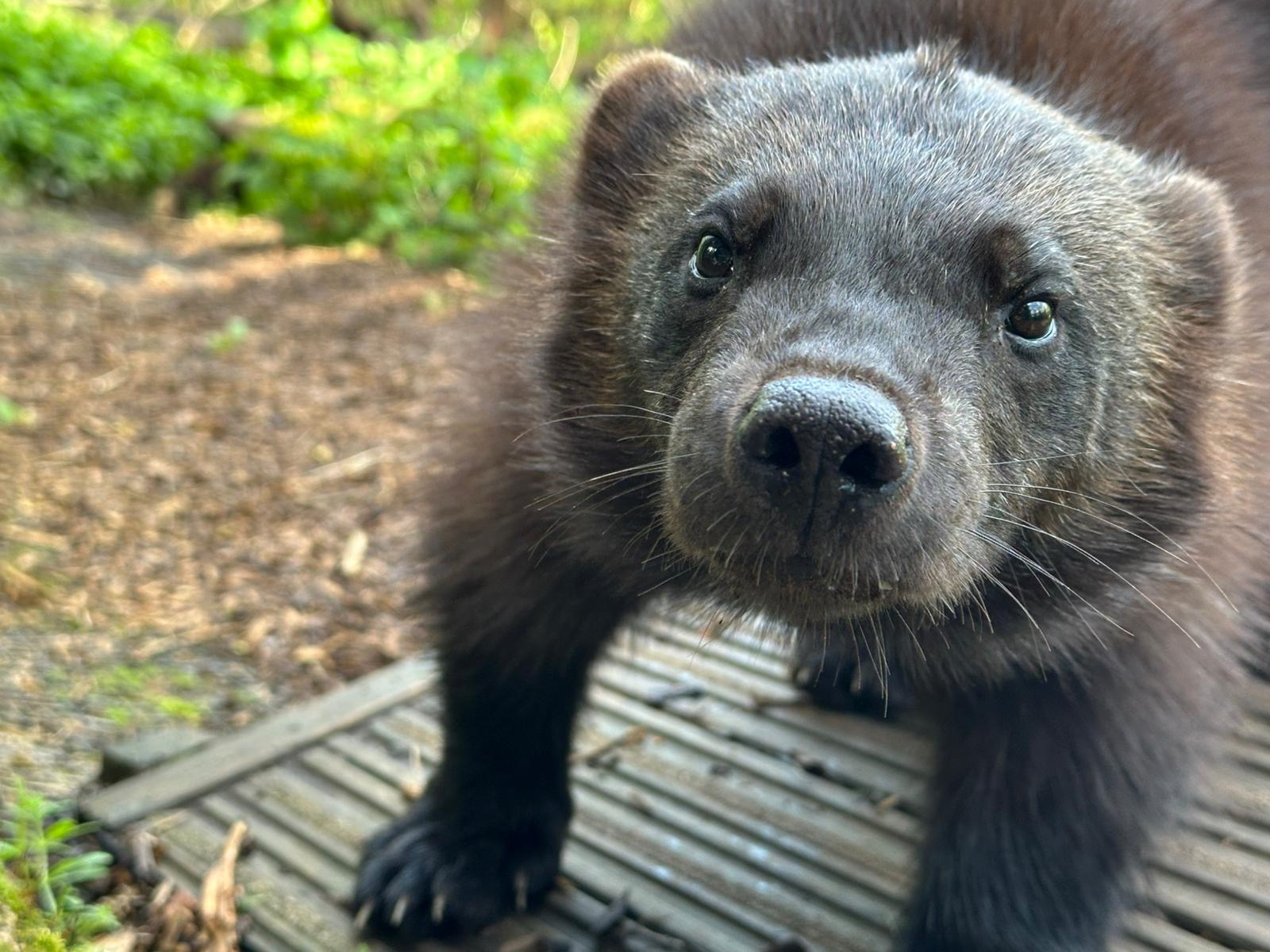 Photo credit: Keeper Natalie Kent
5. Wolverines are opportunistic feeders
Wolverines aren’t picky eaters. Their diet includes small mammals, birds, berries, and carrion or dead carcasses, as well as larger prey such as reindeer or deer when the opportunity arises. They are also well known for scavenging and even stealing food from other predators. This adaptability is key to surviving in unpredictable environments.
To mimic this in Bear Wood, we use enrichment techniques like scent trails, hidden food, and suspended feeds. Wolverines must follow smells, dig, climb, and pull apart their food, just as they would in the wild.
6. Wolverines are clever food storers
To prepare for leaner times, wolverines cache or store food in the snow and under rocks. The freezing temperatures act as a natural fridge, keeping meat fresh for later. This behaviour is especially important during long winters, when finding food can be a real challenge.
At Bristol Zoo Project, they’re given carcasses, such as parts of deer, to encourage this natural instinct. They’re fed every couple of days, prompting them to store food for later, just as they would in the wild.
They’re also surprisingly good climbers, often hiding food high in trees to keep it safe from each other and even from the Animal Team.
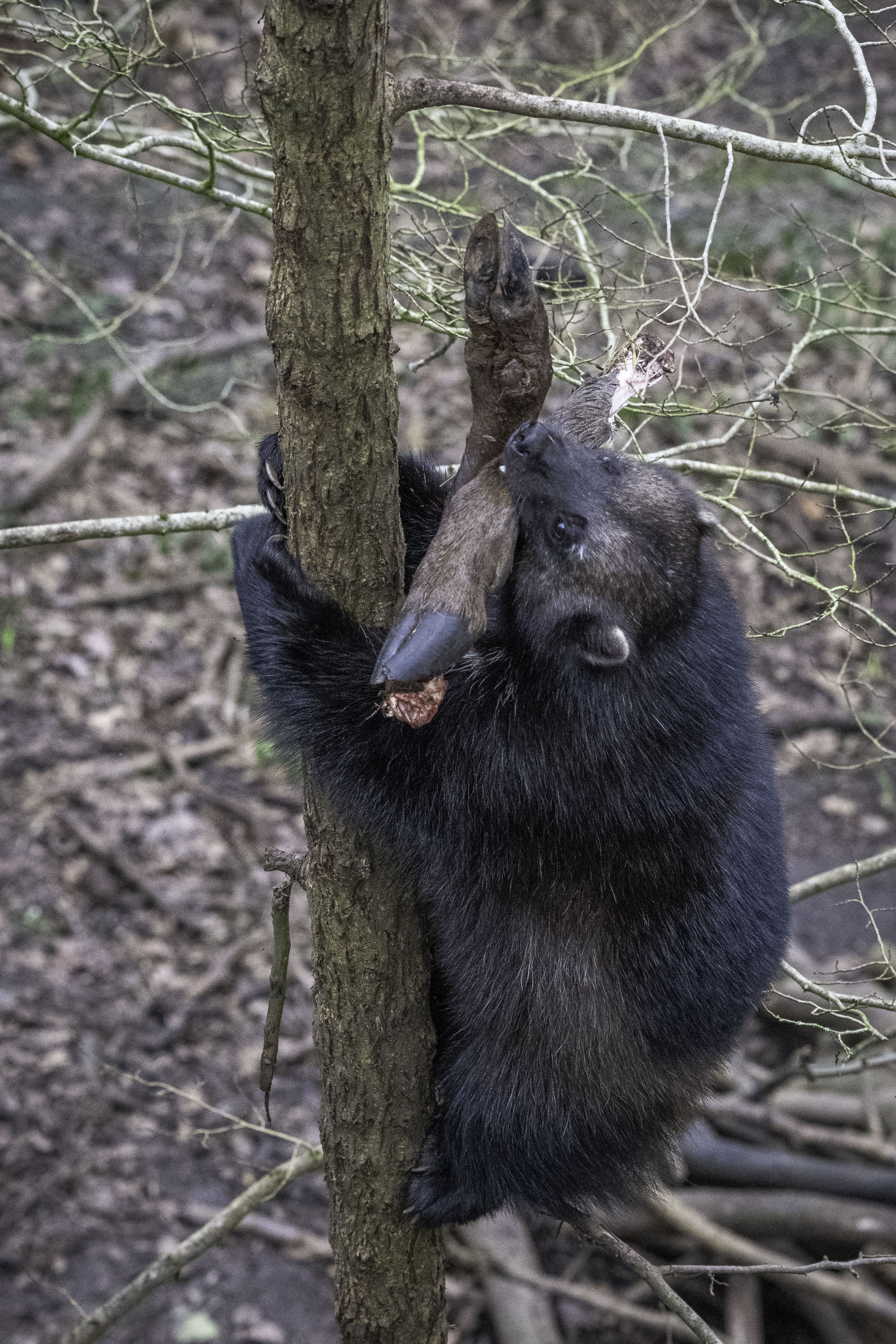 Photo credit: Doug Lodge
7. Wolverines have a unique and clever life cycle
Much like brown bears, wolverines use a reproductive strategy called delayed implantation. After mating, the embryo pauses development until mid-winter, ensuring that kits are born in early spring when conditions are slightly more favourable. Wolverines are mostly solitary animals, using scent marking to communicate and maintain their territories across vast landscapes.
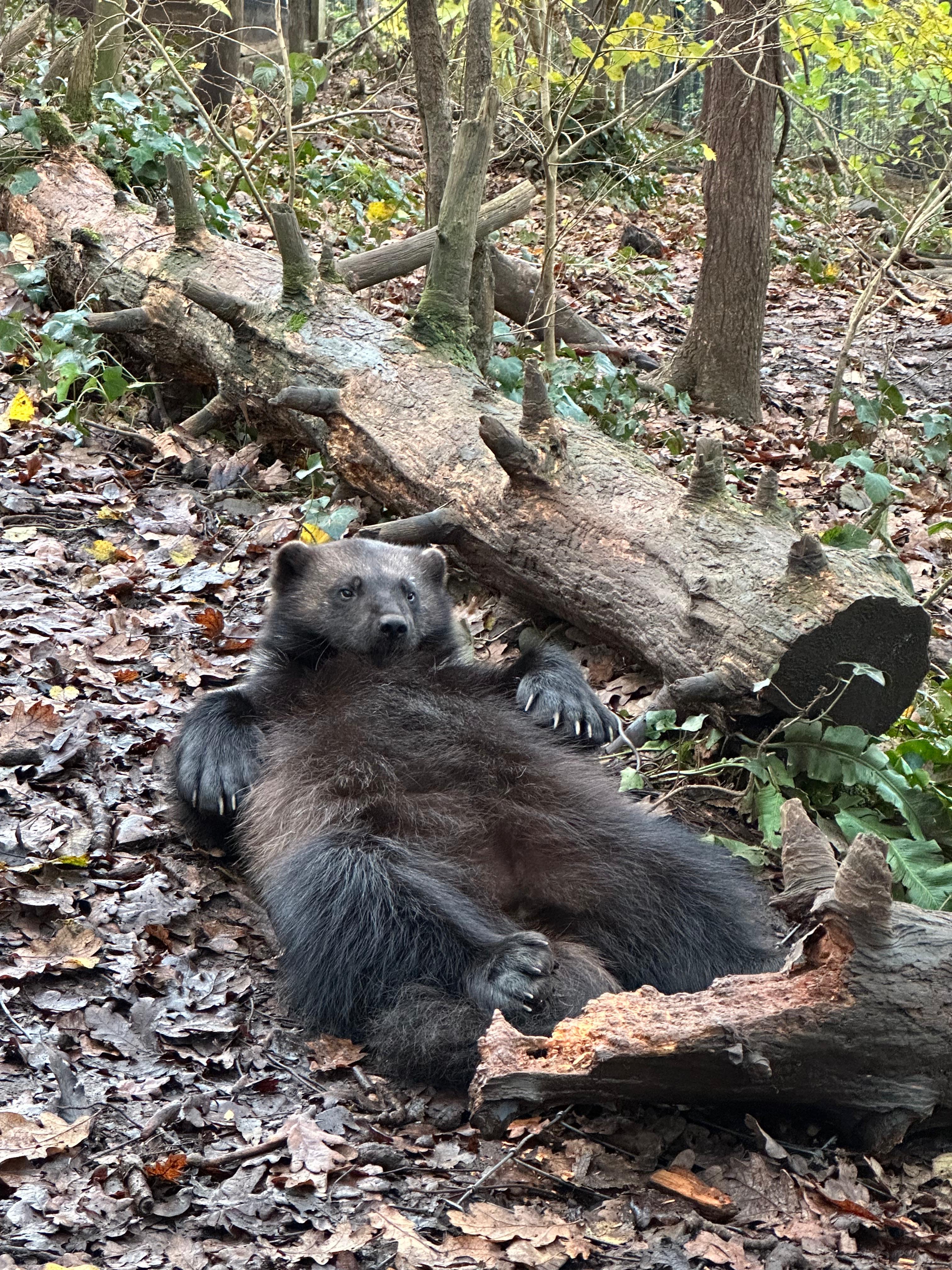 Photo credit: Keeper Natalie Kent
Wolverines are remarkable survivors, tough, adaptable, and perfectly suited to life in extreme conditions. But even these hardy animals face growing challenges. Climate change is reducing the snow cover they depend on, while habitat loss is shrinking their range.
By learning more about wolverines, we can better understand their role in the wild and why protecting these incredible animals and the fragile ecosystems they call home matters now more than ever.
Spot our wolverines, Alice and Scottie, as you tiptoe along a treetop walkway in our ancient woodland habitat, Bear Wood, where they live alongside our bears, wolves, and lynxes.
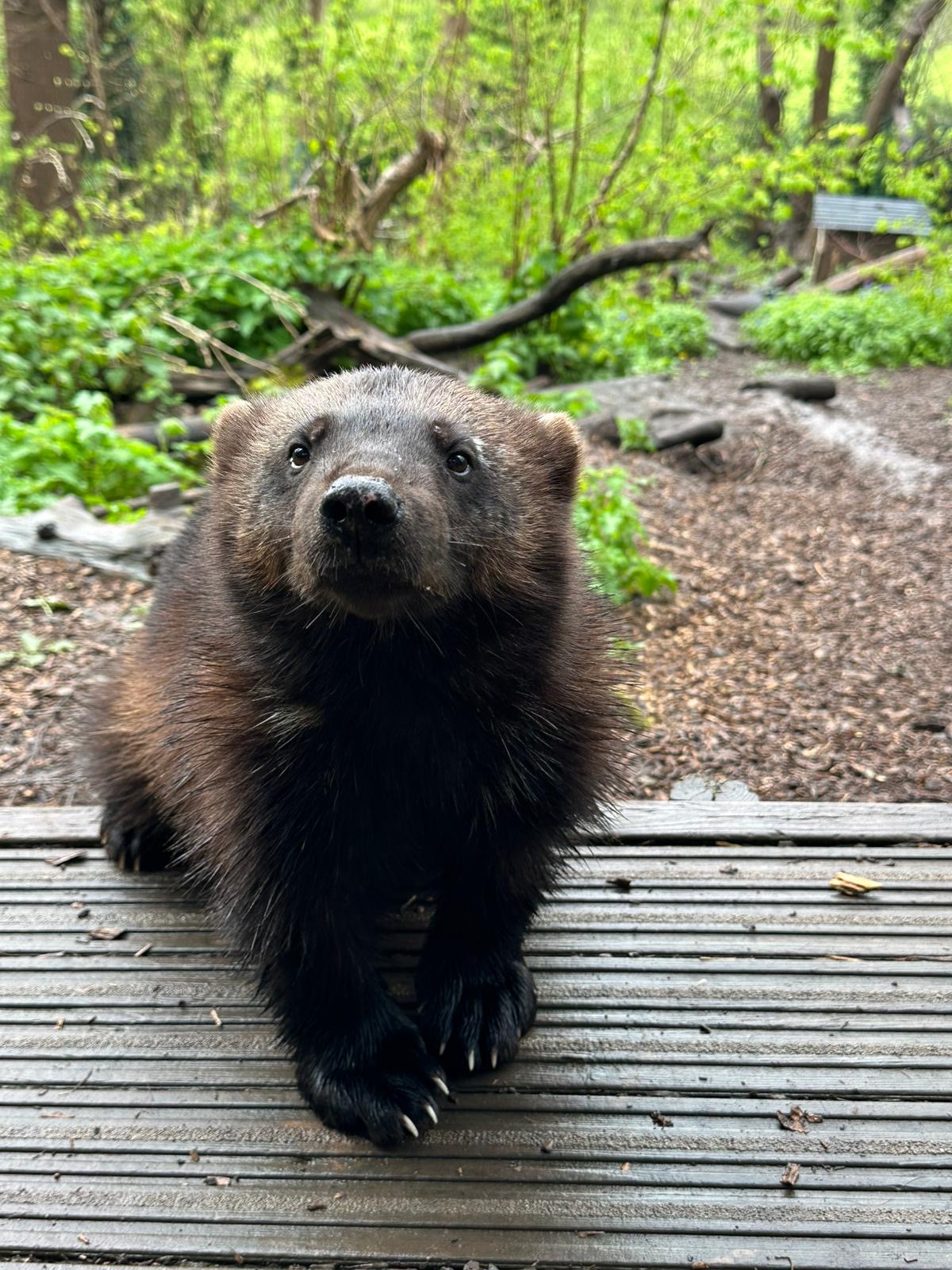 Photo credit: Keeper Natalie Kent
Bristol Zoo Project is run by Bristol Zoological Society, a conservation and education charity. Every visit supports our conservation work in the UK and around the world.